
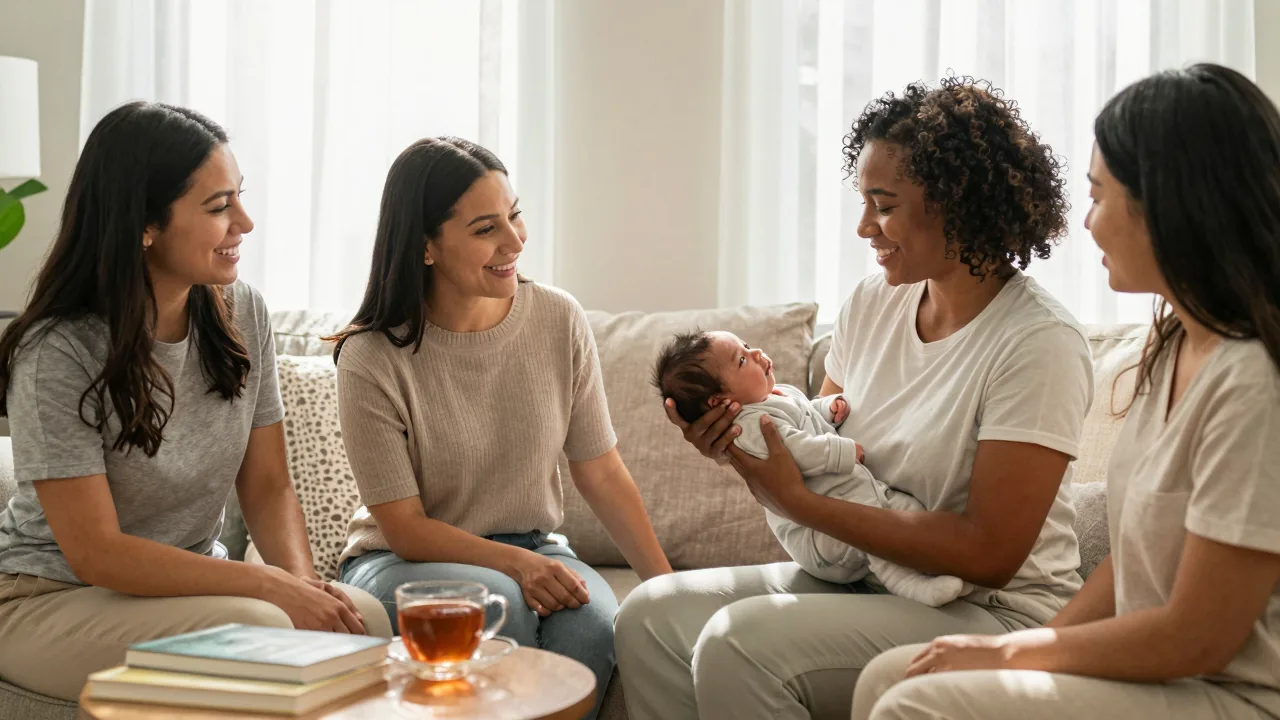
The year 2026 isn’t far off. By then, an overwhelming majority—over 75% of consumers—will look to brands to honor their cultural identities. It’s not just a passing trend but a fundamental change in how diverse families interact with companies.
Picture this: A doula recounts a birth story where the family’s customs were respectfully integrated into their care. Every detail felt personalized, making the experience truly meaningful. This is inclusive marketing at its best—a concept that resonates deeply.
Over at Doula Masterclass, we’ve witnessed how studying inclusive marketing for multicultural and diverse families strengthens bonds. It bridges gaps not only between brands and clients but also within communities themselves. The approach matters whether it’s tailoring messages to respect various traditions or ensuring imagery reflects the rich tapestry of human experiences. Authenticity can’t be underestimated here.
In today’s landscape, multicultural families are influencing markets in significant ways. Companies that actively listen, embrace learning, and lead with empathy? They’re the ones poised for long-term success—no question about it.
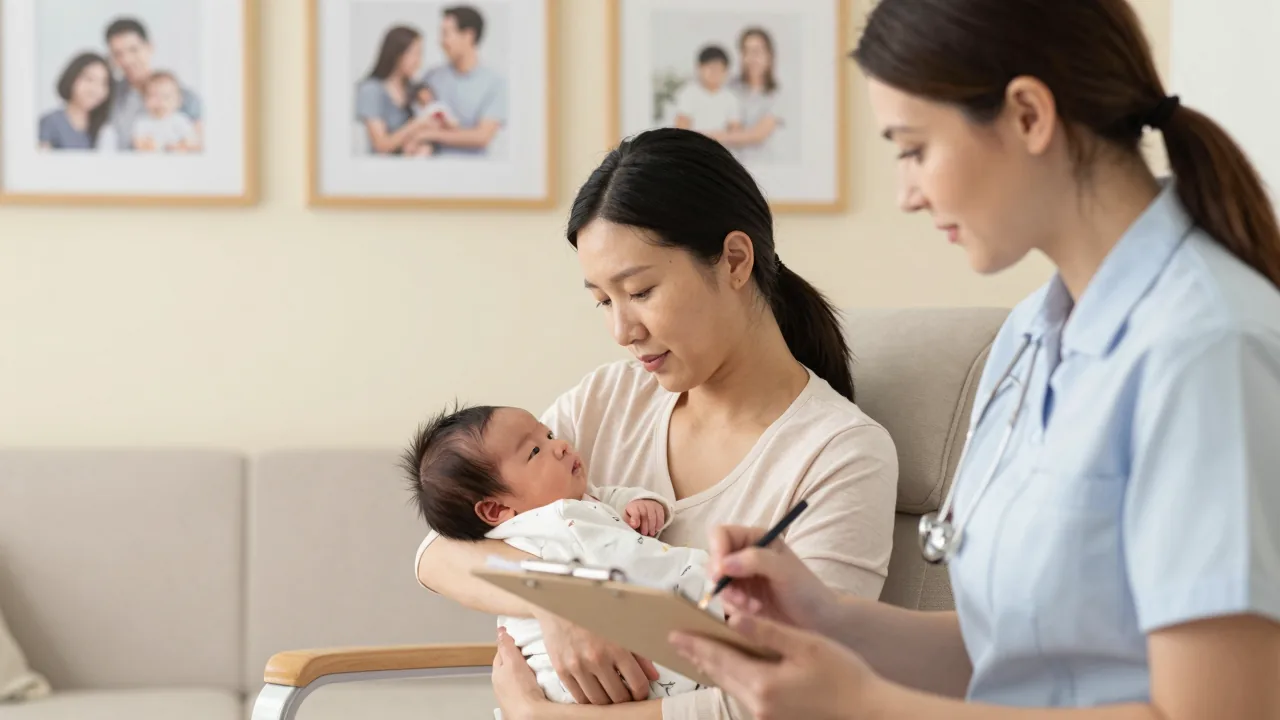
Embracing Multicultural Family Dynamics in 2026
Picture stepping into a lively prenatal yoga session at Doula Masterclass. Here, families of all backgrounds—Blasian, Latinax, South Asian, Indigenous, and more—come together to prepare for childbirth. The air is filled with diverse languages, traditions, and personal stories. What ties them all together? The universal experience of becoming parents.
This scene isn’t just a glimpse into the future—it’s already happening in 2026. Multicultural families aren’t merely growing; they’re flourishing. For doulas and childbirth educators, adapting to this reality goes beyond staying current. It’s about fostering environments where every family feels valued and supported.
Evolving Family Structures and Cultural Identities
Family dynamics are changing at an unprecedented pace. Mixed-race families now make up 17% of U.S. births, while LGBTQ+ parents are raising nearly 5% of children under 18. These trends highlight a broader cultural shift toward identity fluidity—where heritage, spirituality, and personal background intersect in complex ways.
Why does representation matter? Simple: it builds trust. When families see themselves reflected in your materials or sessions, they’re more likely to connect with your services.
Here’s how you can honor that diversity:
- Intersectionality matters: Cultural backgrounds aren’t one-size-fits-all. A Black Latinx parent, for instance, may face different expectations than a Puerto Rican mother.
- Language counts: Opt for terms like “birthing parent” or “pregnant person” when appropriate. Translation services can also make a world of difference.
- Respect traditions: Take time to learn about cultural birth rituals, from the Mexican cuarentena (a 40-day postpartum rest period) to African-American practices like “sitting in” with elders.
High-Potential Markets for Inclusive Outreach
Not every multicultural group responds to marketing in the same way. In 2026, these communities stand out as key audiences:
- Latinx families (the fastest-growing demographic, with a strong focus on community support).
- Asian American & Pacific Islander (AAPI) families (highly engaged in prenatal education and holistic care).
- Black families (value culturally competent doulas to address birth outcome disparities).
- Indigenous & Native communities (prioritize sovereignty and traditional practices in modern care).
- LGBTQ+ parents (seek affirming, judgment-free spaces for family-building).
Doula Masterclass can deepen its impact by collaborating with these groups—hosting Instagram Live sessions with doulas of color or featuring real stories from diverse families in blog posts. The aim? To move past superficial inclusion and into meaningful partnership.
By studying inclusive marketing for multicultural and diverse families, you’re doing more than keeping up with trends. You’re helping shape a future where every family belongs in the Doula Masterclass community. And honestly, that’s something worth striving for.
Crafting Genuine Messages for Varied Audiences
Picture stepping into a lively market where each vendor has something special to offer—a riot of colors in traditional fabrics, the rich scents of exotic spices, and jewelry crafted with deep cultural significance. What stands out is how well these sellers know their customers. That’s exactly what inclusive marketing should feel like: speaking directly to families in ways that make them feel understood.
Doulas need this approach now more than ever. By 2026, the goal isn’t just to acknowledge diversity but to embrace its complexities. Pregnancy and postpartum journeys look different depending on who you ask. Values, concerns, and expectations can vary as much as traditions themselves.
Expert Tip: “Start by listening,” advises Nia Carter, a cultural competency trainer. “Before drafting any message, take time to connect with the families in your care—learn their stories and let those insights shape your words.”
Steering Clear of Stereotypes While Highlighting Cultural Details
Even the best intentions can miss the mark if messages rely on clichés or oversimplified ideas. Take marketing to Latinx communities: it’s not about throwing in sombreros as a quick fix. Instead, it means recognizing the rich diversity within those families—from Afro-Latinx traditions to contemporary urban lifestyles.
One powerful way doulas can make a difference is by sharing real experiences. Imagine a Black birthing person finding strength through culturally rooted care, an Asian immigrant family overcoming language barriers, or a same-sex couple choosing support that aligns with their unique journey. Stories like these forge genuine connections and foster trust.
The Impact of Language and Translation in Inclusive Outreach
Words carry weight, especially when they cross cultural and linguistic lines. A mistranslated phrase or an insensitive choice can drive families away instead of welcoming them. To avoid this, working with native speakers or cultural consultants is a smart move—it ensures messages hit the right notes.
For instance, campaigns aimed at Vietnamese-speaking families should use terms that fit naturally within their community—not just literal translations from English. Offering sign language interpreters, visual aids, or multilingual staff can also make a big difference, showing a real commitment to accessibility.
Here’s the thing: studying inclusive marketing for multicultural and diverse families isn’t a task with an endpoint. It’s an ongoing journey of growth, adaptation, and respect—one that turns generic outreach into conversations that truly resonate. When done thoughtfully, it bridges gaps in ways that matter most.
Leveraging Technology for Inclusive Marketing Strategies
In 2026, technology opens the door to a world where every family feels truly seen—whether they’re new parents or part of a multicultural household. Your Doula Masterclass can tap into this potential by creating marketing strategies that resonate with all kinds of families.
Personalized, culturally relevant messaging has become far more achievable thanks to advancements in technology. By using AI-driven insights and data analytics, doulas can develop content that addresses the specific needs of diverse families. This might mean adapting language choices, honoring cultural birth traditions, or customizing educational materials—all to ensure every family feels included.
AI and Data-Driven Personalization in 2026
AI isn’t just a distant idea anymore; it’s actively reshaping how doulas engage with families. Here are some key ways to put it to work:
- Language & Cultural Preferences: AI tools can review user data to identify preferred languages or cultural backgrounds, helping you deliver more meaningful content.
- Personalized Recommendations: By analyzing browsing history and engagement habits, AI suggests the most relevant resources—like postpartum care advice for Latina mothers or gentle birth preparation for Black families.
- Predictive Analytics: You can stay ahead by spotting trends in search queries and content interactions, anticipating what diverse families might need next.
- Accessibility Features: AI makes it easier to add subtitles, alt-text, or translated versions of your content, ensuring everyone can access it.
Social Media Platforms and Multicultural Engagement
Not every social media platform works the same way when targeting multicultural audiences. Here’s how your Doula Masterclass can stand out in 2026:
- Instagram & TikTok: These platforms excel at visual storytelling, making them perfect for sharing short videos—whether demonstrating cultural birth practices or featuring client testimonials from diverse backgrounds.
- Facebook Groups: A great way to foster community where multicultural families can connect, ask questions, and find support in a moderated space.
- YouTube Long-Form Content: For deeper dives into topics like culturally sensitive prenatal care or postpartum traditions, longer videos are the way to go.
- LinkedIn for Professional Outreach: Ideal for networking with healthcare providers, educators, and policymakers who advocate for inclusive family care.
- Emerging Platforms: Stay flexible—newer apps may cater specifically to Black, Asian, LGBTQ+ communities, or others.
By embracing these tools, your Doula Masterclass can make sure every family feels welcome in your content. Studying inclusive marketing for multicultural and diverse families isn’t just about reaching them; it’s about making them feel truly at home.
Measuring Success: KPIs for Inclusive Campaigns in 2026
Maya, our head of marketing, sat at her desk one peaceful afternoon, reviewing the latest campaign data. Over several months, she had carefully designed messages to appeal to diverse families—including videos showcasing multigenerational homes, social media content in various languages, and collaborations with cultural influencers. However, as she examined the numbers, a question kept coming up: How can we determine if these efforts are really making an impact?
In 2026, evaluating inclusive marketing goes far beyond basic metrics like clicks or shares. For doulas and birth workers within the Doula Masterclass network, it involves monitoring how well messages connect with different cultural groups to ensure they hit the mark.
Gauging Engagement Among Diverse Communities
Consider a campaign focused on postpartum care for Black families. You might assess Facebook engagement among African American audiences, responses to Instagram Stories starring Latinx doulas speaking Spanish, or attendance at local events for Asian immigrant parents. Each data point provides insight—Are you reaching the intended audience? Is the content sparking interaction? Is it being shared further?
“Real inclusivity means digging deeper than just numbers. Pay attention to qualitative insights too, like comments, private messages, and survey responses that show whether families feel represented and appreciated.” — Dr. Priya Patel, Cultural Marketing Specialist
Building Long-Term Trust Through Inclusive Messaging
Inclusivity in marketing isn’t a fleeting trend—it’s about fostering genuine, lasting bonds. When multicultural families consistently see themselves reflected in your content, they’re more inclined to return to Doula Masterclass for guidance, events, or even recommendations. This loyalty leads to improved retention rates, stronger personal referrals, and a community that thrives naturally because it feels like home.
Doulas understand the importance of meaningful connections—relationships rooted in empathy and genuine understanding. The same holds true for marketing: staying consistent, keeping messages authentic, and actively listening will help you assess what truly matters by 2026.
(End of rewritten text)
Future Trends in Inclusive Marketing for Diverse Families
Picture this: stepping into a lively market filled with stalls from all over the globe. Each one bursts with vibrant colors, rich scents, and traditions that reflect its cultural roots. That dynamic scene is much like the families you work with as a doula—richly diverse, constantly evolving, and deeply connected to their heritage. By 2026, inclusive marketing won’t just be about targeting multicultural audiences; it will focus on genuinely respecting their experiences, beliefs, and changing needs.
As society changes, so do family dynamics and what matters most to them. Your marketing approach should mirror these shifts—whether through language, visuals, or messaging that speaks to people across different cultures. Here’s how you can stay ahead:
New Cultural Influences Reshaping Family Values
- Blended Customs: Many families now combine traditions from multiple heritages (think celebrating both Hanukkah and Christmas). Showcase these connections in your content.
- Tech-Savvy Families: Kids born between 2013 and 2026, known as Gen Alpha, are shaping family decisions. Reach parents through platforms like TikTok or Instagram Reels with quick, engaging clips.
- Multilingual Engagement: Spanish, Mandarin, and Tagalog-speaking communities are expanding fast. Think about translating key content or bringing on bilingual team members.
- Inclusive Language: Phrases like “birthing parent” or “chosen family” reflect today’s realities. Refresh your website text and social media captions to match.
- Cultural Awareness Training: Train your team with workshops to better grasp the nuances of different communities.
Sustainability and Ethics in 2026 Marketing
Families now expect brands to share their values, especially when it comes to caring for the planet. Doula Masterclass can set a strong example:
- Earth-Friendly Packaging: If you offer products, choose biodegradable materials or sleek, minimal designs.
- Open Reporting: Share details on fair wages, ethical sourcing, and community support in your business operations.
- Green Credentials: Display certifications (like B Corp status) to appeal to eco-conscious parents.
- Partner with Advocates: Team up with BIPOC or LGBTQ+ leaders in maternal health for joint marketing projects.
- Highlight Local Stories: Feature clients from various backgrounds sharing how your services positively impacted their families.
When you incorporate these trends into your strategy, you’re doing more than promoting a service—you’re building connections. Families will appreciate the brands that truly recognize, listen to, and celebrate who they are. And let’s be honest, that kind of authentic engagement is what really matters in today’s world.
A Promise to Embrace All Families
Picture a room buzzing with families from diverse backgrounds, each bringing their own customs, languages, and dreams for their children. That’s the world we’re stepping into—2026—a time when inclusivity is no longer just a choice but the heart of genuine connections.
As doulas, we have the honor of standing beside these families during some of life’s most profound moments. Our role goes beyond guidance; it’s about fostering empathy and respect. One way we uphold this mission? By deeply studying inclusive marketing for multicultural and diverse families to ensure every individual feels valued and recognized.
Inclusivity in marketing isn’t a one-time effort. It demands an open mind, eagerness to learn from others’ experiences, and a commitment to continuous growth. This could mean respecting varied cultural traditions around childbirth or crafting content that mirrors today’s rich family tapestry. Progress starts small but builds into something transformative.
Here’s the thing: the future of doula work shines brightest when it lights up for everyone. Let’s keep moving forward, adapting and celebrating each unique story with genuine care.
It’s a journey, not a destination—but what a rewarding one it is!