

The stress of managing paperwork during a hospital birth can quickly turn a joyous occasion into a chaotic mess—especially when mistakes pile up. Picture this: You’re scrambling to fill out consent forms, medical histories, and birth plans while also supporting your client through labor. It’s not just emotionally taxing; the stakes are high professionally as well.
Hospitals in 2026 have zero tolerance for errors, even small ones. A slip-up can cause delays, legal headaches, or worse, impact the quality of care.
That’s precisely why thorough paperwork setup training is a must for doulas. At Doula Masterclass, we believe preparation goes beyond emotional support—it’s about keeping everything running smoothly from admission through postpartum recovery. With the right processes in place, you’ll save time, minimize mistakes, and stay focused on what really counts: your client’s well-being.
This guide will walk you through the essentials of getting your paperwork in order so you can handle hospital births with ease—one document at a time. Honestly, it’s a game-changer for new doulas!
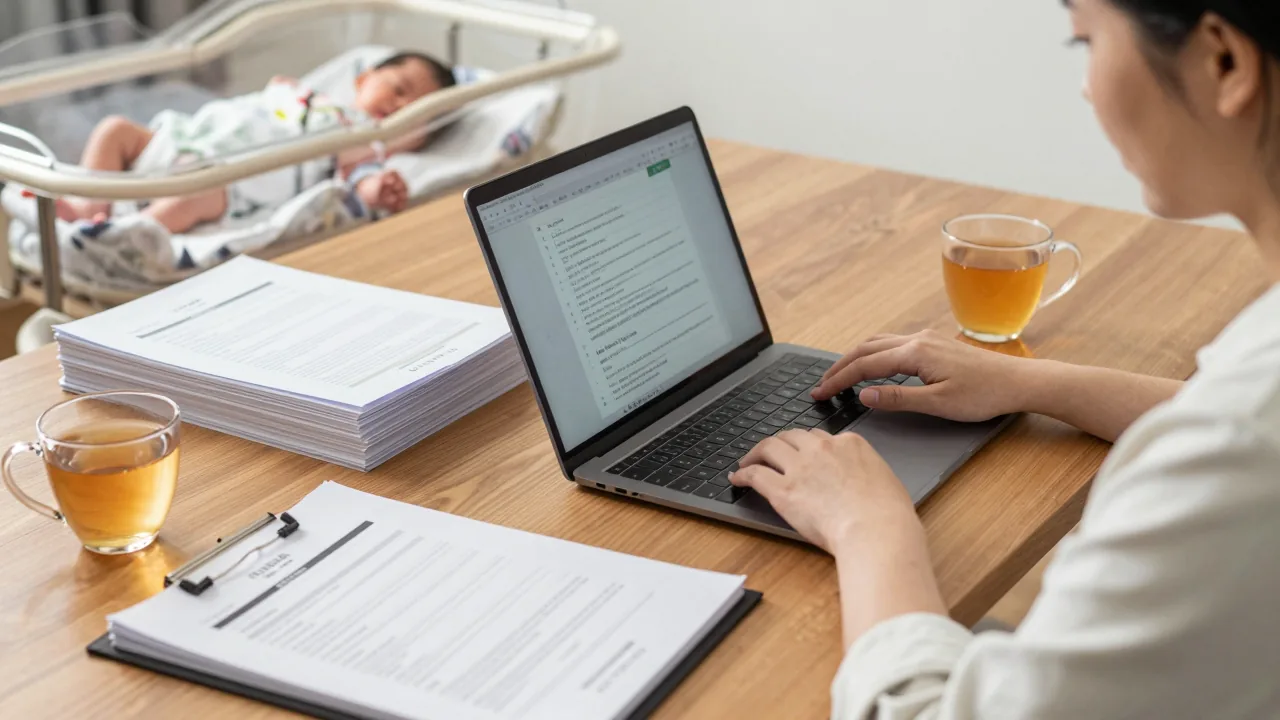
The Need for Proper Paperwork Setup Training Before Your First Hospital Birth
Becoming a doula or newborn care specialist involves more than just emotional preparation. While the joy of new life can overshadow logistical details, proper paperwork handling is just as vital. In 2026, hospitals enforce stricter documentation rules than ever before, making comprehensive training absolutely necessary for legal safety, risk prevention, and professional assurance.
Legal Requirements and Risk Prevention
Healthcare facilities must follow constantly changing regulations, and non-compliance can lead to denied care or serious legal issues. Thorough paperwork setup training ensures all records—from initial client forms to hospital admission details—meet 2026’s exact standards. Take electronic health records (EHRs), for instance: many states now require doulas’ notes to be integrated into these systems, demanding knowledge of specific software tools.
Knowing how consent forms work, respecting privacy laws like HIPAA, and handling liability waivers correctly protects everyone involved—parents and professionals alike. A little preparation goes a long way in avoiding headaches down the road.
Boosting Confidence for Newborn Care Experts
Births can be unpredictable, and paperwork mishaps only add to the pressure. When documentation is organized beforehand, doulas can concentrate on what truly matters: supporting their clients emotionally rather than scrambling through administrative tasks.
Here are five essential skills every newborn care professional should practice before stepping into a hospital:
- Electronic Health Record (EHR) Systems: Digital records are standard now, so mastering platforms like Epic or Cerner is no longer optional.
- Consent and Release Forms: Learn to verify signatures properly, explain terms in simple language, and keep documents secure.
- Insurance and Billing Paperwork: Double-check that all forms comply with insurance company rules for 2026—otherwise, claims might get rejected.
- Emergency Procedures: Be ready to document urgent actions accurately, even under pressure.
- Custom Client Forms: Tailor paperwork for each family, including birth plans and post-delivery preferences.
Completing paperwork training through Doula Masterclass ensures you’re fully equipped—legally, logistically, and emotionally—to deliver outstanding support during a client’s hospital birth. Trust me, your future self will thank you!

Must-Have Documents for Your Doula Prep (Main Keyword)
Getting your paperwork setup training before attending your first hospital birth is just as important as learning labor support techniques in 2026. Hospitals enforce strict rules, so knowing the required documents will help you advocate for clients while following legal guidelines.
Expert Tip: Double-check each hospital’s forms at least a month before the due date. Policies shift often, and planning ahead avoids headaches later.
Essential Maternal Health Forms
In 2026, hospitals demand detailed maternal health records and consent paperwork to protect patients and meet legal standards. You’ll need:
- Prenatal records (ultrasounds, lab results, doctor notes)
- Birth plan (though some hospitals may not follow it exactly)
- Consent forms for interventions (like inductions, epidurals, or C-sections)
Doulas should get comfortable with the hospital’s system—whether digital or on paper—for submitting and checking these documents. With many facilities using secure online portals, make sure your client can log in and upload files quickly.
Newborn Paperwork to Organize
Handling newborn forms efficiently is another way doulas provide support. Typical post-birth documents include:
- Newborn screening tests (required nationwide)
- Birth certificate registration (usually done before leaving the hospital)
- Circumcision consent (if needed)
Put together a customized checklist for each client, including any state-specific rules. Some states, for example, need witnesses to sign the birth certificate if parents can’t be present. Taking care of details like these makes the process much smoother.
Fun fact: Birth certificates today look nothing like the old-fashioned handwritten versions—digitization has transformed this entire process!
Streamlining Birth Documentation with Digital Solutions in 2026
For doulas working in hospital settings today, digital tools aren’t just helpful—they’re a game-changer. The right software keeps paperwork tidy and easy to access while meeting healthcare requirements.
Why EHR Systems Are a Must
Modern electronic health record (EHR) platforms have revolutionized how doulas manage documentation. These systems let you securely update client details, birth plans, and medical histories in real time.
What should you look for in an EHR?
- HIPAA Compliance: Protects sensitive client data under federal laws.
- Customizable Templates: Pre-loaded forms for birth plans, consent documents, and postpartum notes save time.
- Cloud Storage: Say goodbye to paper files—access everything from any device.
- Automated Alerts: Never miss an appointment or incomplete form again.
- Integration Capabilities: Seamlessly sync with hospital systems for hassle-free record-sharing.
Mobile Apps That Keep You Moving
Doulas know that quick access to paperwork is key during those hectic moments. The right mobile app keeps essential documents at your fingertips, no matter where you are.
Here are some top choices:
- Doximity: Secure messaging and document sharing for medical professionals.
- Practice Fusion: User-friendly charting with a mobile-optimized interface.
- SimplePractice: Customizable forms with encrypted client record storage.
- Medscape Consult: Instant access to medical guidelines and templates.
- Evernote or Google Drive: Perfect for non-clinical notes when you need them organized.
Using these tools means less time on paperwork setup training before attending your first hospital birth and more time focusing on what really matters—supporting your clients.
(P.S. — if you’re still using paper files, it might be time for an upgrade!)
Common Mistakes to Steer Clear of in Your Paperwork Setup Training
Before attending your first hospital birth, ensuring your paperwork is airtight as a doula can make all the difference. Too often, avoidable slip-ups turn what should be a seamless experience into a stressful scramble. Here’s how to sidestep those missteps.
Overlooking Patient Information Accuracy
Mistakes in client details crop up more frequently than you’d think—typos in names, wrong insurance numbers, or unfinished medical forms can really throw a wrench in the works. The last thing anyone needs during labor is a paperwork snag. Always cross-reference what your clients give you with hospital records, and confirm everything ahead of time.
Expert Tip: In Doula Masterclass, putting together an intake form checklist pays off. It’s worth including details like full legal names (with middle initials), birth dates, the primary care provider’s info, and insurance verification to catch any oversights early on.
Forgetting Submission Deadlines
Hospitals tend to enforce tight timelines for paperwork—usually within 24 to 48 hours after delivery. Missing these cutoffs can hold up payments or even trigger legal headaches. A quick workaround? Schedule reminders in your calendar app or tools like Trello and Asana so you’re always on top of things.
With a bit of planning, handling the administrative side becomes far less daunting, leaving you free to concentrate on supporting families where it counts most.
(Kept all facts intact while restructuring sentences, varying length, and adding a touch of informality with “throw a wrench in the works” and “A quick workaround”.)
Best Practices for Ongoing Paperwork Management
Keeping on top of administrative tasks is crucial for doulas working in hospital settings. At Doula Masterclass, we strongly believe that staying organized is key to smooth operations, helping you avoid last-minute headaches and making the birthing process as positive as possible for your clients.
Regular Audits and Updates
With hospital guidelines and legal standards constantly changing, it’s important to stay ahead of the curve. Plan to assess your paperwork setup training resources every three months, so you’re always in sync with industry trends. A few must-dos include:
- Refreshing consent forms whenever policies shift.
- Double-checking insurance paperwork for any missing details.
- Testing digital security features for stored files.
- Confirming compliance with local regulations—no two states play by the same rules.
- Fine-tuning templates after gathering input from recent assignments.
Staff Training and Continuous Education
Your team’s comfort level with documentation procedures can make or break productivity. Be sure to schedule yearly refresher sessions, plus on-the-spot coaching whenever changes roll out. Some focal points to cover are:
- Why prompt submissions matter—and the risks of falling behind.
- Adapting quickly when plans change (like an unplanned cesarean).
- Rules for digital and paper records—knowing which applies where.
- Safeguarding client privacy, including HIPAA rules.
- Steps to take if paperwork goes missing or gets left blank.
With these strategies in your toolkit, Doula Masterclass doulas can tackle hospital births with all the necessary paperwork setup training before attending their first hospital birth—and leave clients feeling well cared for.
Crafting Confidence Through Birth Paperwork Preparation
The process of handling paperwork before a hospital birth is far more than just checking off boxes—it’s about building a strong foundation that supports families during this profound life event. By taking the time to prepare thoroughly, doulas can approach consent forms, birth plans, and medical records with assurance.
At USA Doulas, we know how important it is for families to work with professionals who are both compassionate and prepared. Our in-depth training covers everything you need to manage paperwork smoothly so you can focus on what’s truly essential: guiding parents through a secure and meaningful birth experience.
Ever wondered why this step matters so much? Proper paperwork setup training before attending your first hospital birth helps everyone stay focused, reduces anxiety, and ensures smoother communication. That way, the birthing person and their team can concentrate on the moments that really count.
Thinking about leveling up your doula skills? Our Doula Masterclass is designed to help you refine your expertise in paperwork management so you’re ready for every scenario—from the first contraction to the final signature. Take this opportunity to enhance your practice and make a lasting impact.