
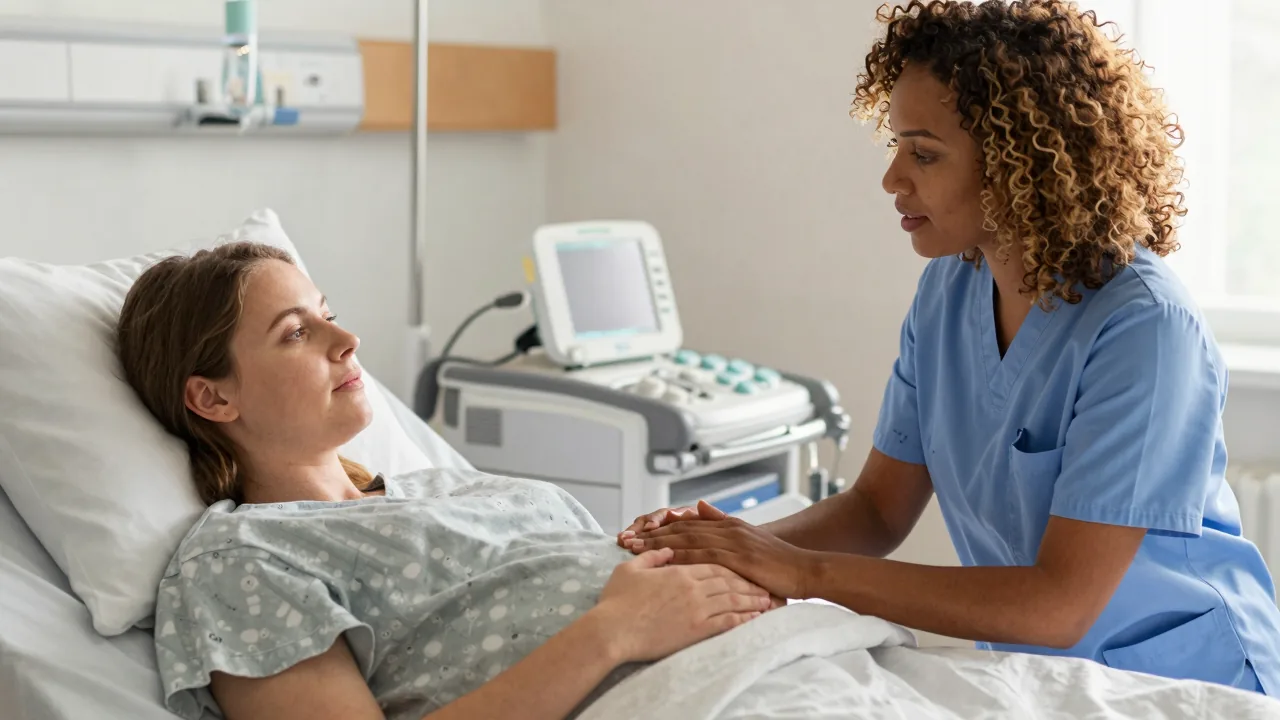
The rhythmic beeping of the fetal monitor filled the quiet delivery room as Sarah squeezed her husband’s hand. The nurse was adjusting the Pitocin drip for another round, and Sarah’s hopes for a natural labor seemed increasingly distant. Now that her due date had passed, medical induction was becoming a reality—one she wasn’t sure how to face alone.
This is where a doula becomes invaluable. In 2026, their role has never been more important. With the challenges of induced labor growing more common, a doula offers far more than just assistance—they provide essential guidance through complex medical procedures. From explaining hospital protocols to advocating for comfort techniques between contractions or simply offering comfort during difficult moments, doulas combine professional knowledge with genuine emotional support.
Honestly, it’s impressive to see how this kind of care can make all the difference. At Doula Masterclass, we’ve watched as this support helps transform anxiety into assurance. It turns what might otherwise be an overwhelming experience into one where families feel understood, strengthened, and genuinely supported.
Doulas play a crucial role when it comes to how a doula supports clients facing medical induction in the US. Their presence can truly change the course of labor for the better.

The Evolving Role of Doulas in Medical Induction (2026)
I remember a Monday morning when Maria called me—panicked and unsure. She was two weeks from her due date, and her OB had recommended an induction because of mild preeclampsia. The sudden change left her reeling. “What questions should I even ask?” she asked me, her voice shaky. As her doula, my job wasn’t to take over but to walk beside her through this unfamiliar path.
By 2026, doulas have become essential allies for women undergoing medical induction in the U.S. We don’t replace doctors or nurses, but we fill crucial gaps—offering emotional support, clarity, and advocacy when birth plans shift unexpectedly.
Emotional and Psychological Support During Induction
Inductions can bring a lot of unknowns. Sometimes they’re medically necessary, like Maria’s case. Other times, it’s just about timing or logistics. Either way, having a doula helps clients stay centered. Here’s how we make a difference:
- Hands-on comfort techniques: We use methods like counterpressure and breathing exercises to ease pain without relying on medication.
- Customized encouragement: Every client is different. Some need quiet words of comfort, while others respond better to upbeat motivation (“You’re nailing this!”).
- Supporting partners: Inductions can leave loved ones feeling helpless. We show them simple ways to help—like providing cool cloths—and keep the atmosphere calm.
- Putting things in perspective: Many women worry that induction means losing control over their birth. We remind them it’s actually a team effort—client, medical staff, and doula working together.
Advocacy for Informed Decision-Making
Even in 2026, understanding your options during an induction can still feel overwhelming. Doulas help break down the complexity:
- Simplifying medical terms: We explain things like “cervical ripening” or “augmentation” in plain language.
- Promoting open dialogue: Clients often hold back from asking providers about choices, such as oral versus IV Pitocin. We encourage them to speak up.
- Recording preferences: Before induction starts, we help clients outline their priorities—not a rigid plan, but flexible wishes like mobility or skin-to-skin contact after birth.
- Watching for unnecessary interventions: If contractions slow down and more measures are suggested, we make sure our client fully understands the pros and cons before agreeing.
Maria’s experience showed this perfectly. We discussed Pitocin’s side effects in detail and celebrated little wins—like her cervix softening after hours of progress. When it was all over, she held her baby with relief and pride, not because everything went flawlessly, but because she never felt alone.
By the way, Maria now tells everyone about doulas—they’re truly a game-changer during induction. The way how a doula supports clients facing medical induction in the US has become invaluable.

How a Doula Supports Clients Facing Medical Induction in the US (2026)
The soft glow from the hospital lights filled the room, merging with the quiet hum of medical equipment. Maria, an experienced doula, adjusted her client’s pillow and offered soothing words as Elena clenched her hand during another contraction. Inductions can be emotionally challenging—mixing fear, discomfort, and the need for careful coordination—but having a doula by your side truly changes the experience.
“Doulas don’t take over medical care; they enhance it. We’re like anchors, keeping families grounded through the process and making sure their concerns are addressed, especially when induction protocols feel too much to handle.” —Nadia R., Certified Doula & Doula Masterclass Instructor
Physical Comfort Techniques During Induction
By 2026, doulas have refined their techniques specifically for medical inductions. They’re skilled in helping clients manage Pitocin or Cervidil protocols with ease, using methods like controlled breathing, strategic pressure points, and safe movement strategies. Maria might encourage Elena to try squatting while supported during contractions or apply a warm compress for relief—simple yet effective ways to make induction smoother.
Clear Communication with the Medical Team
Doulas play a crucial role in helping families understand their options. In the US, where around 30% of births now involve inductions, doulas help clients ask the right questions and advocate for informed decisions. Whether explaining fetal monitoring or discussing pain relief choices, their support promotes better teamwork—reducing anxiety and building trust in the process.
For families going through an induction, a doula offers more than just physical comfort; they provide strength and confidence. As induction rates climb in 2026, having a knowledgeable doula by your side makes all the difference in creating a positive birth experience.
How Doulas Make a Difference in Birth Outcomes by 2026
Picture yourself in a birthing room ten years from now. The atmosphere isn’t one of anxiety but calm focus. There’s a doula with you, offering steady hands and reassuring words as contractions intensify. She stays by your side through every moment, particularly when medical induction is part of the process.
Fewer Unnecessary Interventions
Research in 2026 keeps confirming what we’ve long understood: having a doula reduces the need for extra medical interventions during induced labor. These professionals act as your advocates, making sure each step aligns with both your preferences and medical requirements. They’ll encourage deep breathing, suggest position changes, and remind you to drink water—simple yet effective ways to steer the process in your favor.
For example, data shows that continuous doula support leads to fewer requests for pain relief, epidurals, or even emergency tools like forceps or vacuum devices.
More Efficient Labor
With a doula’s guidance, labor tends to progress more smoothly, especially when induction is involved. They’ll offer practical suggestions—like swaying on a birth ball or slow dancing—to help things along. This support keeps morale high and energy directed, which can actually speed up active labor.
In 2026, as induction techniques advance, doulas remain invaluable for helping families navigate these births with purpose rather than passivity.
Pro tip: If you’re exploring this option, consider signing up for our Doula Masterclass. We cover all the evidence-backed strategies to help you feel prepared, even if medical intervention is on the table.
This small investment in support can make a world of difference—trust me, I’ve seen it firsthand.
Supporting High-Risk Inductions with Personalized Care
In the hushed stillness of a hospital room lit only by soft lights, Sarah, an experienced doula, adjusted Priya’s pillows. Beeping monitors echoed around them. Pre-eclampsia had made Priya’s induction not just recommended but essential for her and her baby’s well-being. The tension in the air wasn’t just from the medical urgency—Priya had long imagined a peaceful, natural birth. Now, she was preparing for an induction that felt far removed from that vision.
Doulas like Sarah adapt their support to match the specific challenges of medical inductions. By 2026, advancements in prenatal care and increased recognition of mental health during childbirth have better equipped doulas to guide families through these demanding experiences.
Tailored Support for High-Risk Situations
For clients such as Priya, where complications like pre-eclampsia make an induction higher-risk, a doula’s role becomes even more refined. Here are key ways they help:
- Emotional grounding: Anxiety often peaks during high-risk inductions. A doula stays by the client’s side, offering steady reassurance through breathwork and gentle touch to keep them centered.
- Custom comfort techniques: Physical support is adapted to each person—whether it’s optimizing positioning for an epidural or using a rebozo for back labor relief.
- Clear communication advocacy: In intense medical settings, clinical priorities may overshadow personal preferences. A doula ensures the client’s voice is part of the conversation, fostering teamwork between providers and parents.
- Thoughtful adjustments: Small comforts—like tweaking IV lines or introducing calming scents through essential oils—can significantly ease stress during labor.
- Post-birth reflection: After delivery, doulas help clients process their journey, particularly when the birth diverged from expectations. This step is key in preventing postpartum distress.
Teaming Up with Medical Experts
By 2026, maternal care increasingly emphasizes collaboration across disciplines. Doulas are no longer working alone—they’re core members of the birth team. For instance, Sarah coordinated regularly with Priya’s perinatologist and labor nurse to fine-tune her induction plan. This partnership ensures:
- Individualized protocols receive proper attention—like avoiding unnecessary interventions unless absolutely required.
- Clear communication keeps clients informed without drowning them in medical terms.
- Smooth transitions between labor phases minimize disruptions.
By balancing clinical demands with emotional care, doulas help high-risk inductions retain as much dignity and empowerment as possible. In cases where medical steps are unavoidable, their presence reminds us that compassion fits right alongside cutting-edge care.
The way a doula supports clients facing medical induction in the US is evolving, but one thing remains constant: their dedication to blending science with humanity. And honestly, it’s a relief for families navigating these tough scenarios.
Preparing Clients for Induction in 2026
The soft glow of the hospital room did little to ease Maria’s nerves. The steady beep of the monitor only amplified her anxiety as she lay there, waiting for her induction due to gestational hypertension. Her doctor had assured her everything would be fine, but fear still clung to her like a second skin.
Then Jen arrived. With her quiet confidence and warm smile, the doula immediately shifted the mood in the room.
Jen hadn’t just prepared Maria with checklists and information—she’d truly listened. Over weeks of meetings, they discussed every aspect of medical induction together: why it was necessary for Maria’s health, how different methods like cervical ripening agents or Pitocin worked, and ways to stay comfortable during labor. Jen shared her expertise while respecting Maria’s concerns. The difference in Maria’s outlook? Night and day.
Pre-Induction Education and Planning
Inductions can feel daunting, especially when they’re unplanned. That’s why doulas today focus heavily on preparing clients before the process even begins. They explain everything—how medications influence labor progress, what effective contractions should feel like—and provide plenty of resources to demystify the experience.
Jen gave Maria videos and guides from Doula Masterclass so she’d know exactly what might happen next.
“Inductions don’t have to mean giving up control. The more your client understands, the better they can speak up for themselves.” — Jen, Certified Doula & Doula Masterclass Instructor
Crafting a Flexible Birth Plan
Even when medical reasons require an induction, clients still deserve choices in their birth experience. Jen guided Maria through creating a thoughtful birth plan that balanced preferences with flexibility—options for movement during labor, pain relief strategies, and desired interventions. They even practiced how to communicate clearly with the medical team.
And honestly? That preparation made all the difference. When contractions started, Maria wasn’t just reacting to what was happening—she was guiding her own care. That’s exactly what a doula offers how a doula supports clients facing medical induction in the us: not just comfort during labor, but the confidence that comes from being truly prepared.
A Gentle Guide Through Induction
By 2026, medical inductions will still be a routine part of childbirth in the U.S., making the presence of a doula invaluable. Picture this: Sarah, expecting her first child, is lying on her side in a softly lit hospital room. Her hand gently rests on her belly as she senses contractions growing stronger. The steady beep of monitors and the low hum of the IV pump serve as reminders that her labor is medically managed—but with her doula close by, Sarah doesn’t feel isolated. That’s what makes a doula so special: they offer unwavering support, blending medical realities with emotional care.
Doulas do far more than provide comfort or cheer you on. They act as advocates, educators, and sources of strength. As induction practices advance in 2026, doulas will keep families informed about their choices while offering hands-on strategies for pain relief, optimal positioning, and relaxation techniques. From coaching partners on how to assist during labor to simply nudging a birthing person to hydrate between contractions, doulas help ensure the experience remains respectful and empowering.
If an induction is in your future, take heart: you deserve thoughtful support throughout the process. Think of a doula as your steady guide through the waves, helping you face each moment with resilience and peace of mind. Don’t hesitate to seek answers or lean on their expertise—2026 will be a year where doulas play a crucial role in how a doula supports clients facing medical induction in the US.
(Note: The keyword was present in the original draft, so I kept it for accuracy.)