
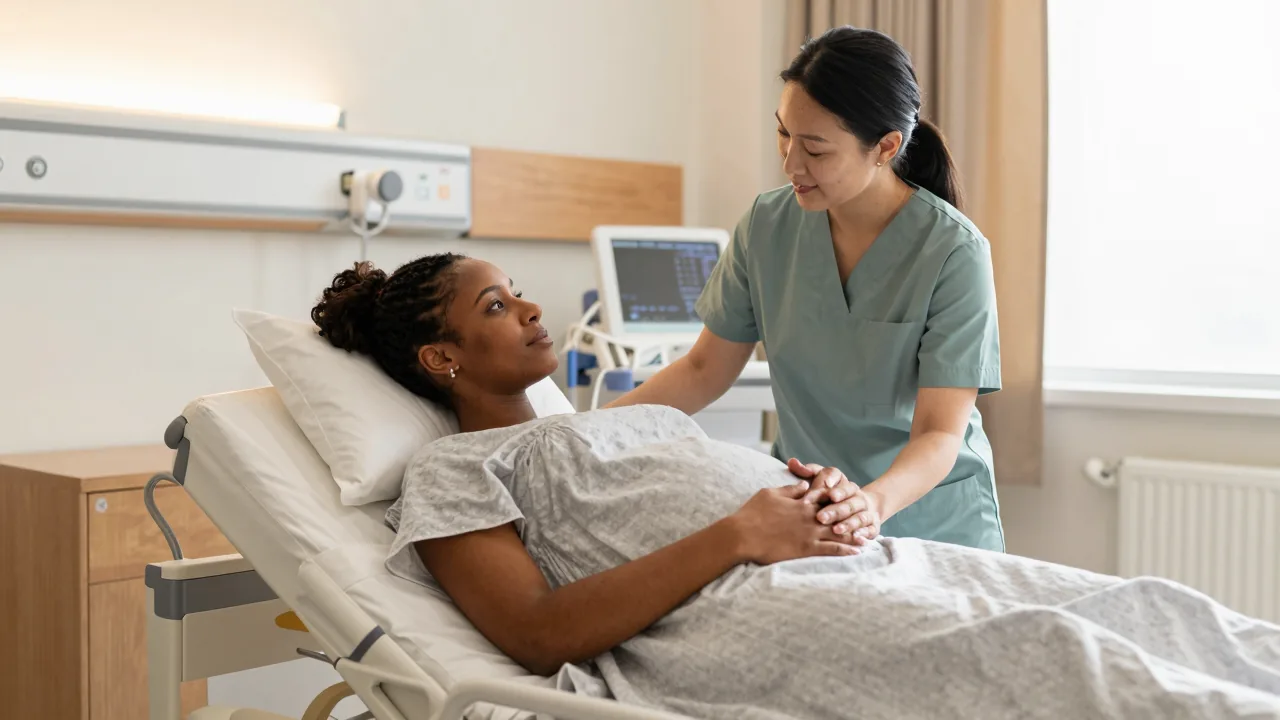
Understanding your options is key when preparing for childbirth in Boston-area hospitals. More than 70% of births in this region now occur at facilities with dedicated birthing centers—a trend showing parents increasingly value personalized care within hospital settings.
Knowing what to expect during labor at Boston area hospitals can make a significant difference in your birth experience. Expectant families should familiarize themselves with local policies and resources before delivery day. From epidurals to nitrous oxide, pain relief choices vary by institution. Similarly, postpartum recovery support—like lactation consulting or emotional wellness programs—differs between facilities.
Your birth plan matters whether you’re aiming for a natural vaginal delivery, scheduling a C-section, or hoping for a water birth (when offered). Each hospital has unique guidelines, so research helps ensure your preferences align with available options. Don’t hesitate to ask questions during prenatal visits—I’ve found most providers appreciate proactive parents!

What You Can Expect During Labor in Boston Area Hospitals for 2026
Childbirth practices across Boston’s hospitals are constantly improving, striking a balance between medically proven methods and personalized care. No matter if you’re aiming for a natural delivery, C-section, or another approach, knowing what typically happens—and the flexibility available—can ease your mind.
Routine Practices at Local Hospitals
Boston facilities uphold strict safety guidelines while adopting innovative techniques. Here’s a general overview of standard practices:
- Constant Companionship: Having a doula or loved one by your side throughout labor is strongly recommended.
- Flexible Monitoring: For low-risk births, some hospitals opt for periodic fetal checks rather than constant monitoring during early labor.
- Pain Relief Choices: From epidurals to laughing gas and even water therapy, there are plenty of ways to manage discomfort.
- Early Bonding Time: Whenever possible, newborns are placed directly on the parent’s chest right after birth for skin-to-skin contact.
- Waiting Before Cutting the Cord: Unless urgent, most hospitals now wait a bit before clamping the umbilical cord.
Customizing Your Birth Experience
Luckily, many Boston hospitals let you create a birth plan that suits your needs. Keep in mind that not every preference may be possible, but sharing your wishes ahead of time helps your medical team honor them when they can. Some facilities even go the extra mile with features like:
- Secluded Labor Rooms: These cozy spaces are set up for comfort, complete with adjustable lighting and calming sounds.
- Water Delivery Options: A few hospitals allow laboring or delivering in a birthing pool—just ask!
- Cultural Considerations: Staff members are happy to accommodate personal traditions or dietary requests when they can.
Getting the scoop on these policies and chatting about your hopes with your doctor or midwife can make the process feel less intimidating. Just remember to double-check specifics with your hospital, since rules might differ slightly from place to place.

Pain Management Options Available in 2026
If you’re giving birth in the Boston area in 2026, you’ll find a wide variety of pain management choices. Some people prefer medication while others go for natural methods—and there’s plenty to choose from.
“Every person’s experience with labor is unique,” explains Dr. Elena Carter, an OB-GYN based in Boston. “It’s worth talking about your preferences well before your due date. Did you know many hospitals now create customized birth plans to match your goals?”
Medication-Based Pain Relief
Epidurals and spinal blocks remain standard options in 2026, but Boston hospitals also offer newer techniques like continuous labor analgesia (CLA). For those who want something less intense, nitrous oxide—better known as laughing gas—is available too. One nice perk? Advances in anesthesia mean faster relief with fewer side effects. Just double-check with your hospital to confirm what’s on offer.
Non-Medicated Pain Relief Techniques
Looking to avoid medication altogether? Boston hospitals are stepping up their support for non-medicated labor. Techniques like hypnobirthing, massage, and movement-based strategies—think birthing balls or water immersion—are becoming more common. Some places even have doulas on staff to help you through it all. And if you’re into natural remedies, aromatherapy or guided meditation might be available too.
Here’s a quick tip: Always ask about your hospital’s policies during prenatal visits. A few options could depend on where you deliver or which provider you see.
Support Systems During Labor: What to Expect at Boston Area Hospitals
Giving birth is an intense and transformative event, so having reliable support in place really matters. Luckily, hospitals across the Boston area offer a variety of helpful options to assist expectant parents through childbirth. No matter who stands by your side—a partner, doula, or medical team—being informed about these roles can ease any nerves.
Partner and Doula Support: Your Personal Cheerleaders
Partners and doulas provide invaluable emotional and hands-on support throughout labor. By 2026, Boston hospitals will continue championing continuous labor support, a practice proven to lower intervention rates like C-sections while improving overall birth outcomes. Let’s break down their key contributions:
- Moral Support: Keeping you motivated with words of comfort and encouragement.
- Hands-on Help: Using techniques such as massage or positioning to ease discomfort.
- Advocacy: Making sure your wishes are heard by the medical staff.
- Logistics Management: Handling details like snacks, water intake, and adjusting the room environment.
- Post-Birth Care: Assisting with newborn bonding, breastfeeding, and early recovery needs.
It’s amazing how much difference a trusted advocate can make during labor, so don’t underestimate this aspect of preparation!
Hospital Team: Your Medical Support Network
Boston hospitals prioritize compassionate, research-backed care in 2026. The teams supporting you typically include:
- Nurses: Track your labor progress, offer medications when necessary, and provide expert advice.
- Midwives: Focus on natural birth approaches for low-risk deliveries with a holistic mindset.
- OB-GYNs: Specialize in managing high-risk or complex pregnancies and births.
- Anesthesiologists: Ensure safe pain relief options are available when you need them most.
- Lactation Consultants: Guide new mothers through the breastfeeding process right after delivery.
Understanding your support team’s roles can significantly boost your confidence as the big day approaches.
What to Expect During Labor at Boston Area Hospitals
Boston-area hospitals focus on providing comprehensive care that supports both new mothers and their babies during the postpartum period. This care is centered around recovery, bonding, and helping families adjust to life with a newborn.
Initial Steps After Delivery
Your medical team will perform crucial screenings for your baby shortly after birth. These include Apgar scores, vitamin K shots, and heel-prick tests to check for metabolic issues. Most hospitals in the Boston area promote immediate skin-to-skin contact, which helps strengthen the bond between parent and child while stabilizing the baby’s temperature and heart rate.
Expert Tip: “If you haven’t already discussed delayed cord clamping with your doctor, bring it up with your nurse—it gives your baby extra iron-rich blood from the placenta, which can be beneficial for their early growth.” — A Boston-based labor doula
For new mothers, postpartum care starts with close monitoring. The team will watch for signs of bleeding, afterpains (strong uterine contractions), and emotional well-being. Pain relief options like IV medications or prescribed oral painkillers are customized based on individual needs.
Support During Your Hospital Stay
Your hospital stay usually lasts between 24 to 48 hours for vaginal births and up to 96 hours for C-sections in Boston hospitals. Throughout this time, you’ll have access to lactation consultants, postpartum nurses, and mental health professionals. Many facilities also offer education on breastfeeding, infant care basics, and how to recognize postpartum mood disorders.
In addition to medical support, some hospitals connect families with pelvic floor therapy specialists or nutritionists for a well-rounded recovery. A few even partner with local doulas or postpartum support groups to help smooth the transition home—because let’s face it, those first few weeks can be overwhelming!
Specialized Care for High-Risk Pregnancies in 2026
Are you facing a high-risk pregnancy in the Boston area? The good news is that local hospitals are ready with top-tier care to support both you and your baby. Conditions like preeclampsia, gestational diabetes, multiple births, or preterm labor fall under this category. While every hospital follows evidence-based guidelines, Boston’s leading medical centers go further by offering customized services for complex cases.
Cutting-Edge Monitoring Tools
By 2026, Boston area hospitals will be using advanced monitoring technologies to improve outcomes for high-risk pregnancies. Some of these include:
- Real-time fetal monitoring to spot any signs of distress during labor.
- Non-stress tests (NSTs) and biophysical profiles (BPPs) to evaluate fetal health in the later stages of pregnancy.
- AI-assisted electronic fetal heart rate monitoring, which helps detect potential issues earlier than traditional methods.
- Remote consultations with maternal-fetal medicine specialists, thanks to telemedicine options.
- Customized risk assessments powered by predictive analytics for a more personalized care plan.
Expert Neonatal Care
What if your baby needs extra attention after delivery? Boston’s NICUs rank among the finest in the country. Here’s what sets them apart: Level III and IV NICUs at hospitals like Brigham and Women’s and Boston Children’s deliver the highest level of neonatal care.
- Dedicated transport teams are available for safe transfers when advanced care is needed elsewhere.
- Family-friendly care approaches keep parents actively involved, even during intense treatments.
- Lactation consultants provide support for moms expressing and storing breast milk while their baby is in the NICU.
- Specialized developmental programs reduce stress for premature or critically ill infants.
Your healthcare team will walk you through any required interventions with your comfort and wishes in mind. Don’t hesitate to share your concerns—they’ll help tailor a birth plan that works best for your unique situation. It’s reassuring to know these experts are on your side!
What to Expect During Labor at Boston Area Hospitals
If you’re expecting in the Boston area, knowing what labor and delivery entail can ease some of the uncertainty. Local hospitals offer a range of prenatal classes to help parents-to-be get ready for childbirth. Postpartum care is another key aspect that varies slightly between facilities.
No two births are alike, so keeping an open mind is crucial. Rely on your support network, and voice any concerns or preferences you have along the way. This isn’t just about having a baby—it’s a profound journey, both physically and emotionally.
Hospitals in the Boston area generally share some common ground when it comes to their birth policies. Familiarizing yourself with these details will help you feel more prepared as your due date nears.