

“Routines are overrated for newborns—what they really need is predictability, not a rigid schedule.”
That might sound counterintuitive, but as a Boston doula, I’ve seen firsthand how overly structured routines can add stress to already exhausted parents in fast-paced cities like Boston. The truth? Newborns thrive on consistency, not clock-watching. In a place where every minute counts—whether you’re navigating stroller traffic on Newbury Street or adjusting to postpartum life—the key is simplicity.
Establishing healthy habits early doesn’t mean locking into a strict timetable. Instead, it’s about creating gentle rhythms that prioritize rest, feeding, and bonding. From the Charles River to the South End, every family’s journey is unique—but with evidence-based guidance, you can build a foundation that works for your baby and your lifestyle. Let’s break down how to start strong, one soothing step at a time.
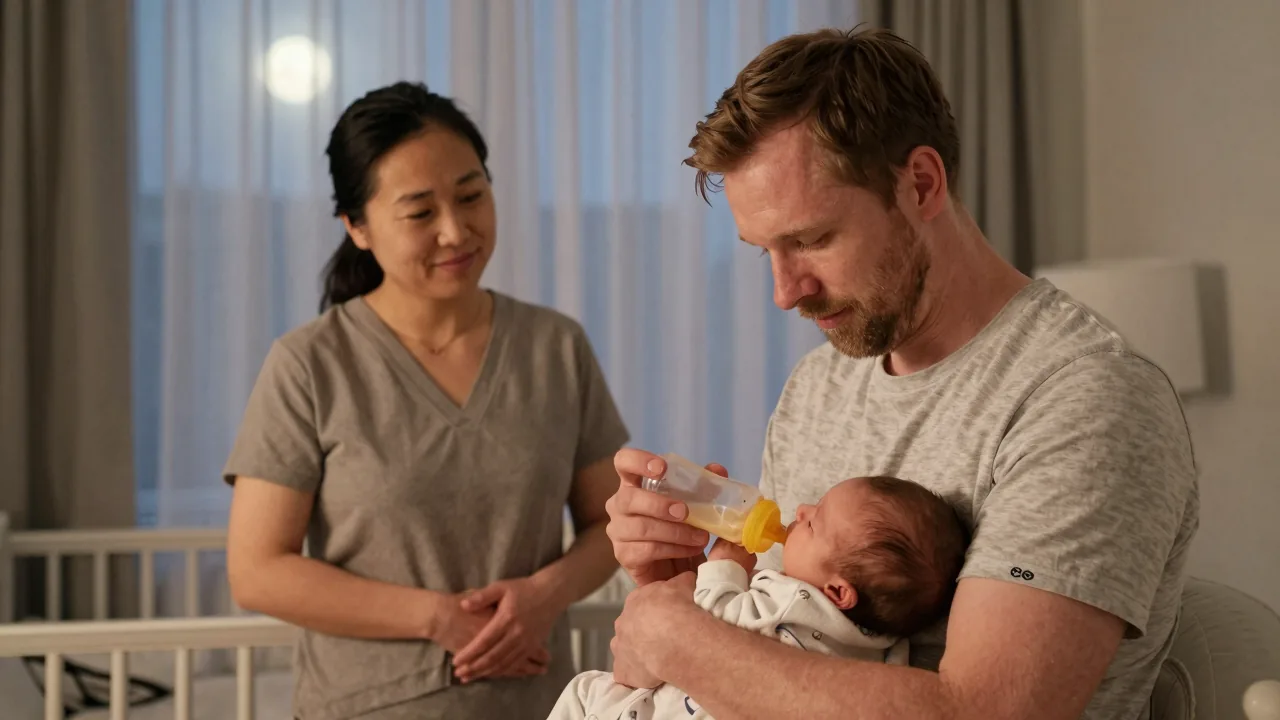
How to Start a Newborn Routine (Boston Doula’s 2026 Guide)
Starting a newborn routine in Boston can feel overwhelming, but with patience and flexibility, you’ll find a rhythm that works for your family. The key is to balance structure with adaptability, especially during the first few weeks when babies are adjusting to life outside the womb.
Identifying Your Baby’s Natural Rhythms
Understanding your newborn’s sleep and feeding cues is the first step in creating a routine. Boston doulas recommend observing patterns like:
- Sleepy signals: Yawning, rubbing eyes, or looking away from stimuli.
- Hunger signs: Rooting, sucking on hands, or smacking lips.
- Awake windows: Most newborns stay alert for 45–60 minutes before needing rest.
Pay attention to these cues rather than forcing a strict schedule. Every baby is unique, and what works for one may not suit another.
Creating a Flexible Schedule for the First Few Weeks
A Boston doula recommends adapting to your baby’s needs before setting rigid schedules. Here are some practical tips:
- Prioritize clusters: Feed frequently in the evening (every 1–2 hours) to encourage longer nighttime sleep.
- Nap at home: Avoid overstimulating outings during early weeks—stick to short, local walks or errands close to your Boston neighborhood.
- Bedtime cues: Dim lights and reduce noise as you wind down for the night.
- Partner support: Trade off with a partner (or hire a postpartum doula) to handle feedings and diaper changes during the first few weeks.
Remember, routines evolve as your baby grows. Stay patient, trust your instincts, and don’t hesitate to reach out to local Boston resources for personalized guidance.

The Importance of Sleep Training (Boston Doula Advice)
Sleep training isn’t about rigid schedules—it’s about creating a gentle, predictable rhythm that helps your newborn adjust to life outside the womb. In Boston’s fast-paced environment, where parents often juggle postpartum recovery with work and family demands, establishing early sleep habits can feel overwhelming. But even small steps toward consistency make a big difference.
“Newborns thrive on repetition, not perfection. Focus on creating calm moments rather than strict timelines—your baby will respond to your patience.” — Boston-based Postpartum Doula
Safe Sleep Practices in 2026
The American Academy of Pediatrics (AAP) continues to emphasize safe sleep as the foundation for healthy infant routines. In 2026, updated guidelines still recommend a firm, flat mattress with no loose bedding, a room temperature between 68–72°F (ideal for Boston’s variable seasons), and room-sharing without bed-sharing for at least six months. Local baby gear stores in Cambridge and Brookline often carry compliant sleep sacks—ask your doula for recommendations.
Establishing a Bedtime Routine Early On
A soothing pre-bed routine doesn’t have to be complicated. In Boston, where evenings might include evening walks along the Charles River or visits from well-meaning family, try to carve out 20–30 minutes of quiet time before sleep. This could include a warm bath (many local pediatricians suggest lukewarm water for newborns), a gentle massage with coconut oil (a favorite in Boston’s natural parenting circles), and soft lullabies—some parents swear by the soothing tones of local musicians’ recordings.
Consistency is key, but flexibility matters too. If your baby fusses during naptime at the pediatrician’s office or while running errands near Harvard Square, adapt as needed. The goal isn’t rigid adherence to a schedule but fostering trust that rest will come.
Feeding Your Newborn: Tips from Boston Doulas
Establishing a feeding routine for your newborn is one of the most important early steps in building healthy habits. Whether you’re breastfeeding or formula-feeding, consistency and responsiveness to your baby’s needs will help set a strong foundation. Boston doulas emphasize that every family’s experience is unique, but these evidence-based tips can guide you through the process.
Breastfeeding vs. Formula Feeding Schedules
Breastfed newborns typically feed more frequently—every 2–3 hours—due to faster digestion of breast milk, while formula-fed babies may go slightly longer between feedings, often every 3–4 hours. In Boston’s fast-paced environment, parents can benefit from planning ahead: keep bottles and pumping supplies organized (many local retailers like BuyBuy Baby offer great storage solutions) and consider designating a cozy feeding corner at home. If breastfeeding, latch support is key; postpartum nurses at Boston Medical Center or Brigham and Women’s Hospital can help troubleshoot challenges.
Recognizing Hunger Cues for On-Demand Feeding
Newborns communicate hunger through subtle cues like rooting, sucking on hands, or smacking lips—well before they start crying. Responding promptly to these signs promotes better feeding experiences and helps your baby regulate their intake. Here’s how Boston doulas recommend tuning in:
- Watch for early signals: Lip-smacking, turning the head side-to-side (rooting reflex), or bringing hands to the mouth.
- Avoid waiting for full-blown fussiness: Crying is a late hunger cue and can make feeding harder.
- Track feeds with an app: Popular options like BabyGaga help log times, durations, and diaper changes—useful for sleep-deprived parents.
- Cluster feed in the evenings: Many Boston babies follow this natural pattern around 6–10 PM to build up milk supply or prep for longer night stretches.
- Offer both breasts per session (for breastfeeding): This ensures each side gets stimulated and drained effectively.
For formula-fed babies, pre-measuring formula and keeping bottles ready can streamline nighttime feedings. Local doulas also suggest involving partners in bottle-prep to share the load.
Bonding and Developmental Activities (2026 Edition)
Establishing a newborn routine in Boston isn’t just about sleep and feeding—it’s also about nurturing your baby’s development through bonding activities. These moments help strengthen your connection while supporting your little one’s physical and cognitive growth.
Tummy Time and Motor Skill Development
Start tummy time early, even if it’s just a few minutes at a time. Place your baby on their belly while you’re on the floor, offering encouragement with toys or your voice. Boston-area pediatricians often recommend 3–5 short sessions daily, gradually increasing as your baby gains strength. This practice builds neck, shoulder, and arm muscles, setting the stage for future milestones like rolling over and crawling.
Engaging with Your Baby Through Play and Talk
Talking, singing, or narrating your day-to-day activities in Boston—like strolling through the Public Garden or preparing a meal—helps your baby’s brain development. Simple games like peek-a-boo also foster emotional bonds. These interactions introduce language patterns and social cues that lay the foundation for communication skills.
Expert Tip: “Newborns thrive on responsiveness, so mirror their facial expressions and sounds during playtime. It builds trust and sparks early learning.” — Boston-based doula
By weaving these activities into your daily routine, you’ll create a nurturing environment tailored to both your baby’s needs and your family’s lifestyle in 2026.
Managing Parent Stress and Self-Care in 2026
Welcoming a newborn into your home is an exciting yet overwhelming experience. In Boston’s fast-paced environment, managing stress while prioritizing self-care is essential for both parents and baby. A well-supported routine helps maintain balance during this transformative time.
The Role of a Boston Doula in Supporting New Parents
A postpartum doula can be a game-changer for new families in Boston. These professionals offer hands-on support with newborn care, light household tasks, and emotional guidance, allowing parents to focus on bonding and recovery. Many local doulas also provide resources tailored to Boston’s unique needs, such as connecting families with lactation consultants, pediatricians, or postpartum mental health services.
Practical Tips for Rest and Recovery
Self-care isn’t selfish—it’s necessary. Here are five ways to prioritize your well-being:
- Sleep in shifts: Trade off nighttime feedings with your partner so each of you gets uninterrupted rest.
- Accept help: Let friends, family, or a doula handle meals, laundry, or errands while you focus on recovery.
- Step outside daily: Even a short walk around your Boston neighborhood can boost mood and energy.
- Hydrate and snack smartly: Keep water and nutritious snacks nearby to maintain energy levels.
- Set realistic expectations: Adjust goals to match your new rhythm—perfection isn’t the aim.
By integrating these strategies, you’ll build resilience and enjoy this special time with your newborn more fully.
Setting Your Newborn Up for Success
A well-structured newborn routine is more than just schedules—it’s about creating a nurturing environment that supports both baby and parents. As a Boston doula, I’ve seen firsthand how small, mindful adjustments can make those early days feel less overwhelming and more joyful. Remember, routines evolve as your baby grows, so stay flexible and trust your instincts.
Every family’s journey is unique, but with patience and the right guidance, you’ll find what works best for your little one. If you’re looking for personalized support in Boston, don’t hesitate to reach out—we’re here to help you navigate this beautiful, challenging time with confidence.