
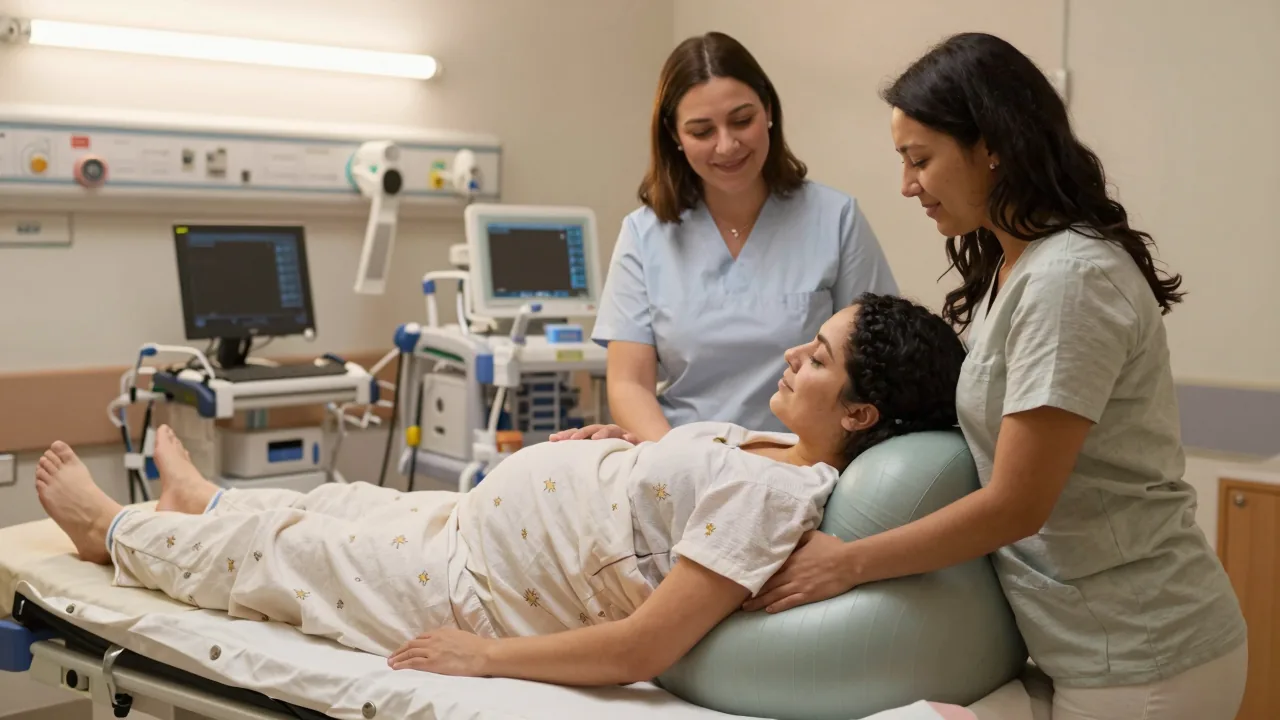
Choosing where to give birth can be a tough decision for many parents-to-be. In fact, statistics show that by 2026, more than four out of ten expectant families in Boston aren’t sure whether they should opt for a hospital or a birth center.
Navigating this choice doesn’t have to feel like such a challenge though. The right information can make all the difference—it’s what helps you find the best fit for your circumstances and peace of mind during pregnancy.
That’s where this guide comes in handy. Let’s break down exactly what sets hospitals apart from birth centers in Boston, from their approaches to medical care to how they support personalized birthing experiences. After reading this, you’ll have a clearer sense of which setting matches your priorities—whether that means access to advanced interventions or more hands-on, natural options.
One small note: every family’s needs are unique, so there isn’t necessarily one “right” answer here! Just focus on what feels like the safest and most comfortable path for you.

Key Differences Between Hospitals & Birth Centers in Boston (2026)
Deciding whether to deliver at a hospital or birth center in Boston requires careful thought. You’ll need to consider things like medical care options, pain relief choices, costs, and insurance plans.
Medical Interventions & Pain Management Options
Boston hospitals are equipped with robust medical resources. They provide access to neonatal intensive care units (NICUs), emergency surgeries such as C-sections, and various pain management methods, including epidurals. Birth centers take a different approach, focusing on natural birth experiences through options like water births, nitrous oxide, or non-medicated pain relief techniques.
Let’s break it down:
- Emergency Preparedness: Hospitals are the better choice for high-risk pregnancies or unexpected complications due to their on-site specialized care.
- Pain Management Choices: Epidurals and other pharmaceutical pain reliefs are widely available in hospitals but might not be offered at birth centers.
- Postpartum Care: Many birth centers stand out by offering extended support, including breastfeeding guidance and mental health services.
Cost & Insurance Coverage Considerations
Money matters. In 2026, Boston’s insurance coverage varies between hospital and birth center deliveries. While many plans include both options, your out-of-pocket expenses could differ significantly.
Here’s what to keep in mind:
- Insurance Details: Double-check with your provider—some plans may not cover out-of-network birth centers or require prior approval.
- Total Costs: Birth centers usually charge a flat rate for their services, which can include prenatal visits, delivery, and postpartum care. (Personally, I appreciate the transparency of this model.)
- Hidden Fees: Hospitals might tack on extra charges for things like anesthesia, newborn screenings, or longer stays.
Weighing these factors will help you pick the setting that fits your health priorities, comfort preferences, and budget.

How to Choose Between a Hospital and Birth Center in Boston
The choice between delivering at a hospital or birth center in Boston hinges on several factors—your health status, the type of support you want, and your comfort level with medical procedures. First, take stock of your pregnancy’s risk level.
A low-risk pregnancy (no preeclampsia, gestational diabetes, etc.) is often a great fit for freestanding centers like The Birth Center of Boston. These spots focus on natural childbirth with limited medical help. If complications arise or you expect interventions—like a planned C-section—a top hospital such as Brigham and Women’s or Massachusetts General Hospital may be the safer bet.
Expert Tip: Boston’s midwives and OB-GYNs are excellent at helping you weigh your options. Take time to meet with both birth center staff and hospital teams, asking how they handle pain management, newborn care, and unexpected events.
Assessing Your Pregnancy Risk Level
If your pregnancy is straightforward, a birth center might be perfect for you. These places avoid unnecessary medical steps, creating a calm environment for labor.
On the other hand, hospitals are better equipped to manage high-risk pregnancies or emergencies. They offer round-the-clock access to specialists—OB-GYNs, anesthesiologists, and NICU teams—which can make a world of difference if something unexpected happens.
Evaluating Staff & Support Teams
Hospitals come with comprehensive medical support available at any hour. Birth centers, though, usually work with certified nurse-midwives as the primary care providers.
It’s smart to check each facility’s rules beforehand. Some hospitals require an OB-GYN for every delivery, while birth centers let midwives lead unless a transfer becomes necessary.
Don’t forget to ask about other services too—lactation support, postpartum recovery plans, and whether loved ones or doulas can join you during labor. Personally? I think having those extra hands around eases the process.
Top Hospitals Offering Labor & Delivery Services in Boston (2026)
Deciding where to give birth is a very personal choice, and many families in Boston find that hospitals provide the best care—particularly when they require specialized attention or medical interventions. The year 2026 sees several outstanding hospitals across Greater Boston maintaining high standards in obstetrics, with cutting-edge neonatal support, compassionate family services, and top-notch facilities.
Best Hospitals for High-Risk Pregnancies
Families facing high-risk pregnancies or needing access to advanced NICUs will find excellent options in Boston. Massachusetts General Hospital and Brigham and Women’s Hospital, both nationally recognized leaders in obstetrics, provide continuous neonatology care and expertise in managing conditions like preeclampsia, gestational diabetes, and preterm labor. Another strong contender is the Floating Hospital for Children at Tufts Medical Center, ideal for those needing specialized fetal monitoring or surgical interventions.
Hospitals with Family-Focused Birth Experiences
Even within a hospital environment, many Boston facilities prioritize comfort and empowerment during childbirth. Take Boston Medical Center’s Labor & Delivery Unit, which balances low-intervention birth approaches while ensuring quick access to emergency care if necessary. Meanwhile, hospitals such as Newton-Wellesley Hospital and Beth Israel Deaconess Medical Center offer private birthing suites equipped with adjustable lighting, whirlpool tubs, and the freedom for movement during labor—helping parents craft a more personalized experience while staying safe.
When comparing hospital choices, think about location convenience, insurance compatibility, and postpartum support availability. Scheduling a facility tour can also help determine if the setting matches your childbirth preferences—a small but meaningful step in the planning process.
Top Birth Centers in Boston (2026)
Selecting a birth center in Boston involves finding a place where safety meets comfort. The city boasts several outstanding freestanding options in 2026, including The Birth Center of Boston and Newton-Wellesley Birth Center. Both are well-known for their midwife-led care, which focuses on personalized attention, fewer interventions, and a cozy setting—factors that boost maternal satisfaction. Studies from Birth (2024) back this up. Families who prefer minimal medical steps but still want emergency help nearby often favor birth centers.
Why a Home-Like Setting Matters
According to the American Association of Birth Centers (AABC), giving birth in a relaxed, private space—think soft lighting, birthing pools, and freedom to move—can lower stress hormones like cortisol. This approach aligns with proven methods that support natural birth, a hallmark of Boston’s top birth centers. Take The Birth Center of Brookline, for instance: their 2025 data shows a 92% vaginal birth rate, thanks in large part to continuous support and pain management without medication.
Key Licenses and Safety Checks
When comparing birth centers in Boston, look for accreditation from the Commission for the Accreditation of Birth Centers (CABC) or licensing by Massachusetts’ health department. These distinctions mean the center follows key standards—like fetal monitoring, backup plans with nearby hospitals such as Brigham and Women’s, and staff trained in emergency newborn care. The CABC’s 2026 rules also require regular practice drills for crises, proving safety is a priority without overstepping the low-intervention ethos.
Before making your choice, schedule a visit to see how well the center’s policies and vibe match your needs—trust me, it makes all the difference!
Finalizing Your Birth Plan for 2026
Selecting a birth setting in Boston isn’t something you should rush. It’s all about balancing medical needs, personal comfort, and what truly matters to you as an expectant parent. Hospitals provide extensive medical resources—think immediate access to epidurals or emergency C-sections—but may not offer the cozy, hands-on experience some prefer for uncomplicated pregnancies.
Meanwhile, birth centers shine with their focus on natural, midwife-led care. That said, they do require flexibility in case complications arise. The good news? In 2026, Boston’s options are evolving. Some hospitals are blending hospital and birth center models, while freestanding centers strengthen ties with nearby medical providers.
To find the best fit, book tours of your shortlisted facilities. Here’s what to explore during those visits:
Key Questions for Your Birth Center or Hospital Tour
- Care Team Details: Who provides care—midwives, physicians, or both? What’s the typical nurse-to-patient ratio during labor?
- Pain Management & Rules: How do they handle epidurals, nitrous oxide, and other options? Are there any restrictions on eating, movement, or birthing positions during delivery?
- Atmosphere: Does the space feel private, soothing, and conducive to relaxation? Can you have a doula or support person with you?
- Recovery Support: How long is the average postpartum stay? Do they offer screenings, lactation help, and follow-up visits?
Contingency Planning: A Must for Any Birth Location
Even low-risk pregnancies can take unexpected turns. If you’re considering a birth center, verify their transfer agreement with a hospital (like Cambridge Birth Center’s arrangement with Mount Auburn Hospital). Hospitals should clarify policies on inductions, episiotomy use, and newborn procedures like vitamin K or hepatitis B vaccinations.
At the end of the day, your decision should feel right. You’ll want confidence in their safety measures, comfort during visits, and readiness to adjust if needed. And yes, trust that gut feeling—it’s okay to revisit facilities if new questions pop up. After all, this is about finding a place where you truly feel at ease.
Choosing Between a Hospital and Birth Center in Boston
Deciding where to give birth is a deeply personal choice that hinges on your health needs, preferences, and expectations for labor and delivery. Hospitals are equipped with cutting-edge medical technology and specialized care, which makes them the best fit for high-risk pregnancies or those who want quick access to neonatal intensive care units (NICUs). On the flip side, birth centers create a cozy, home-like atmosphere where midwives take charge of care and keep medical interventions to a minimum—ideal if you’re aiming for a natural birth experience.
Both hospitals and birth centers in Boston are committed to safety, comfort, and evidence-based practices. Whether you choose a hospital like Massachusetts General Hospital or a birth center such as The Birth Center of Boston, rest assured that your selection reflects what matters most to you.
Before making a final decision, consider visiting different facilities, meeting the staff, and asking plenty of questions. A little research goes a long way in helping you feel secure about your choice. By taking these steps, you’ll lay the groundwork for a positive birthing experience—trust me, it makes all the difference.
If you’re ready to move forward, think about reaching out to local doulas or signing up for prenatal classes. Organizations like USA Doulas can also be a fantastic resource during this exciting time. You’ve got what it takes to make this journey a smooth one!