

Did you know that nearly 80% of Massachusetts parents aren’t aware their insurance may cover doula services? It’s surprising how many families—including those in Boston and surrounding areas—are unaware of potential financial assistance during childbirth.
If you’re pregnant or planning to be, you might be asking: Does insurance cover doula services in Massachusetts? You’re definitely not the only one with this question. Doulas offer essential support, from emotional guidance to practical help before, during, and after delivery.
Understanding your coverage can ease stress, allowing you to focus on the excitement of welcoming your baby. Curious about what’s available in 2026? Let’s dive into the details so you can plan ahead with confidence.

Understanding Doula Services and Their Benefits in 2026
You’ve probably heard about doulas but may still be unsure about their role or why they’re gaining popularity. Here’s a quick overview: A doula is essentially your birth partner—a trained professional offering emotional, physical, and informational support throughout pregnancy, labor, and postpartum recovery. They provide that extra reassurance (and sometimes much-needed calm) during such an intense time.
In 2026, doulas are more widely available in Boston, MA than ever before. Many families now see them as a key factor in making childbirth a smoother and more positive experience overall.
What Does a Doula Do?
Doulas take on several important roles. Here’s what you can expect:
- Emotional support: They offer a listening ear, reassurance, and help you communicate your wishes.
- Physical comfort: Techniques like massage or guided breathing can make labor feel more manageable.
- Evidence-based guidance: Doulas provide reliable information to empower informed decision-making.
- Collaboration with medical teams: They work alongside your healthcare providers to ensure alignment.
- Postpartum assistance: Some doulas also help with breastfeeding, newborn care, and emotional recovery after delivery.
Why Are Doulas Important?
Studies highlight the benefits of continuous doula support: shorter labor times, reduced need for medical interventions (such as C-sections), and greater satisfaction with the birth process. In Boston, where hospital policies can differ, a doula acts as your advocate, ensuring you understand all available options.
Here’s some good news—insurance coverage for doula services has improved in 2026, making it easier to include this support in your birth plan. Does insurance cover doula services in Massachusetts? It’s definitely worth checking with your provider!
Now that we’ve covered the basics, let’s explore how you might get these services covered by insurance next!
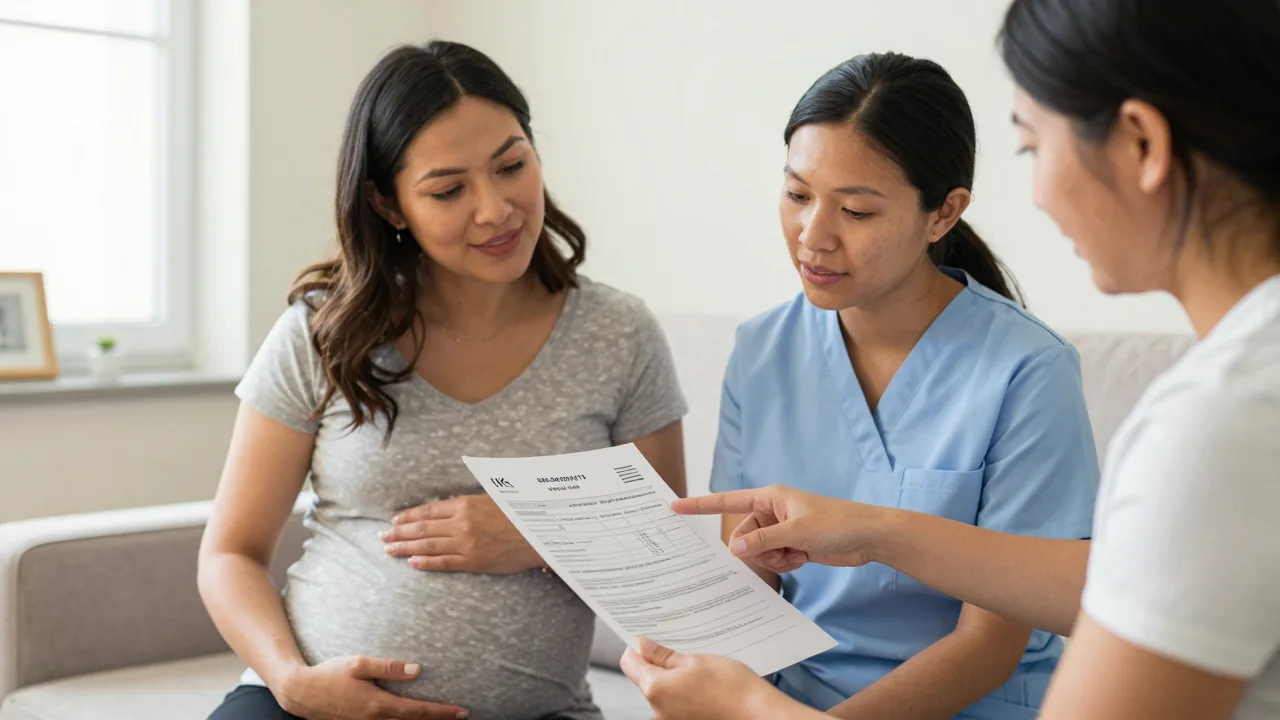
Does Insurance Cover Doula Services in Massachusetts (2026 Guide)
Understanding insurance coverage for doula services in Massachusetts isn’t always straightforward. Policies evolve constantly, but there’s good news: the state has taken significant steps forward.
In 2024, Massachusetts stood out by requiring Medicaid programs to include doula care. This move highlights how important doulas are in enhancing birth experiences and addressing health disparities. Private insurance plans, though, still vary widely.
For expectant parents in Boston or elsewhere in MA, the best approach is straightforward: contact your insurer. Inquire about “birthing support services” or specific “doula coverage.” Some policies may pay for prenatal and postpartum visits but skip labor support entirely. Others might insist on using a network-affiliated doula.
One valuable tip? Document every interaction—save emails, jot down notes from calls—that way, you’re prepared if you need to challenge a denied claim later.
“Even with limited insurance coverage, it’s smart to explore partial reimbursement or out-of-network options,” advises a Boston-based doula. “Many doulas also provide sliding-scale fees or payment plans to ease the financial burden.”
State-Specific Insurance Regulations
Massachusetts has long been at the forefront of expanding access to doula services. Thanks to determined advocacy and policy updates, more private insurers now include prenatal and postpartum doula visits in their coverage. That said, labor support remains a gray area.
Here’s the key: check your specific plan for details. Standards differ between providers, so assumptions can lead to surprises.
Common Exclusions and Limitations
Progress is being made, but some restrictions remain. For instance, your insurer might only cover certified doulas or demand pre-authorization for meetings. Postpartum support, like follow-up visits, may also have time limits.
If you encounter these hurdles, reach out to your provider. They’re familiar with guiding families through the process and can offer valuable insights.
How to Determine if Your Insurance Covers Doula Services in Massachusetts
Ever wondered whether your insurance plan includes doula support in Massachusetts? It’s a smart question to ask before diving into preparations. Let me walk you through the process—no stress involved.
First up: pour yourself a drink and get comfortable with those insurance policy documents. Sure, they’re not exactly thrilling reads. Still, push through and hunt for terms such as “birthing support,” “labor support,” or “doula services” under maternity benefits. Can’t quite make sense of it? No problem. I’ve put together a handy checklist to guide you.
What to Look For in Your Policy
- Maternity Benefits section: This is typically where doula-related coverage details are tucked away.
- Any exclusions or restrictions: Some plans only cover portions of doula services, like prenatal visits but not labor assistance.
- Provider qualifications: Does your insurer specify certification requirements for the doula?
- Key specifics: Make note of any codes, limits, or conditions listed.
Getting Clarification from Your Insurer
When in doubt, reach out to your insurance company. Here’s how to tackle that conversation effectively:
- Keep your policy number handy—it’ll streamline the process.
- Inquire about doula coverage: “Does my plan include certified doulas for prenatal, labor, and postpartum care?”
- Ask for written confirmation: Send a follow-up email to document the discussion.
- Understand pre-authorization rules: Some insurers demand approval paperwork beforehand.
- Explore out-of-network possibilities: Even if your doula isn’t in-network, partial reimbursement may still be available.
Quick tip: Feeling a bit lost? Enlist a friend to take notes during the call—or record it (with permission) so you can review important points later. And if your insurer’s answer is no? Take a breath! Many Boston-area doulas provide sliding-scale fees or flexible payment plans to keep services within reach.
Still puzzling over something? Fire away with your questions—I’m here to help break down the specifics!
Alternative Ways to Pay for Doula Services in Massachusetts (2026)
Wondering whether your insurance covers doula services—or maybe still unsure? You shouldn’t let that uncertainty hold you back from accessing the support you need. Families across Massachusetts have discovered clever ways to afford doula care.
Flexible Pricing and Payment Plans
Let’s be honest: hiring a doula isn’t cheap, but there are options to make it more manageable. Some doulas in the Boston area adjust their fees based on income through sliding scale programs. Others let you break up payments into smaller amounts over time—kind of like budgeting for a vacation or home improvement project.
“A doula’s fee includes much more than just being present during labor—it covers months of planning, emotional backing, and advocacy. If funds are limited, don’t be shy about asking if your doula can accommodate flexible arrangements. Most of us are willing to help find a workaround!” — Experienced Boston Doula
Financial Aid from Local Organizations
Boston is home to several groups that focus on helping families overcome financial hurdles. Nonprofits and grants may partially cover or even reimburse doula services for those who qualify. Check out places like the Birth Center of Boston or Community Support for Pregnancy & Parenting (CSPP)—they might have programs that fit your situation.
Of course, researching these options can feel a bit daunting at first, but take heart: countless families figure this out each year with some persistence and open conversations. You’ve got this!
(Does insurance cover doula services in Massachusetts? That’s a fair question—but even if not, you’ve got alternatives!)
Advocating for Doula Coverage in Massachusetts (2026)
You might be curious if insurance covers doula services in Massachusetts this year. It’s a question on many minds as the situation continues to develop. Currently, some insurers—particularly Medicaid and select private plans—partially or fully cover these services. However, access isn’t yet universal.
Legislative Efforts to Expand Insurance Coverage
Advocacy groups are stepping up their game in 2026. Organizations like the Massachusetts Midwives Alliance and Black Mamas Matter Alliance are pushing hard for change. Doula support has been shown to reduce unnecessary interventions, cut healthcare costs, and improve birth outcomes. This is especially critical for BIPOC families, who often face unequal treatment in maternity care.
Lawmakers are responding with action:
- Bills on the Table: New legislation aims to require Medicaid to cover doula services statewide.
- Private Insurer Campaigns: Advocates are urging private insurers to adopt similar policies, citing long-term savings.
- Evidence-Based Pushes: Research proving the value of doulas is being presented to decision-makers.
How You Can Get Involved
Real change requires collective effort. Here’s how you can help:
- Reach out to your representatives through calls, emails, or meetings. Personal stories make a difference.
- Team up with local groups such as the Boston Doula Project or ROSE (Reaching Our Sisters Everywhere). They’re always looking for volunteers.
- Share the message. Discuss doula support with loved ones and healthcare providers.
- Attend public hearings or forums. Your voice could influence key decisions.
- Use social media to spread awareness. Hashtags like #DoulasForAllMA help grow the movement.
Progress won’t happen overnight, but momentum is building. With continued advocacy, better coverage for doula services in Massachusetts feels within reach. Keep an eye out—this fight is far from over!
Wrapping Up: Your Birth, Your Way
Figuring out insurance coverage for doula services in Massachusetts might seem confusing at first. However, you’re not tackling this challenge alone. Although many insurers are beginning to see the importance of doulas—especially with recent legislation and strong evidence supporting their benefits—the situation remains in flux.
Here’s the bright side: You have choices. These include pushing for coverage, checking reimbursement options, or looking into payment plans that fit your budget.
Choosing a doula is about more than just medical assistance. It means having someone reliable by your side who truly gets what you need and helps you feel strong during this life-changing event. Still on the fence about your insurance or need help picking the perfect doula? Get in touch with us at USAdoulas.
We’re rooting for you from start to finish—because every family in Boston should have a birth experience that feels secure, supported, and totally personalized. Let’s make it happen!