

Picture this: It’s a chilly February evening in Boston, MA, and new mom Sarah is cradling her three-day-old baby, Lily. She’s exhausted but determined to breastfeed—just like she’d planned during her prenatal classes. Yet, despite her best efforts, Lily keeps pulling off the nipple, frustrated cries filling the quiet nursery. Sound familiar?
Breastfeeding can be an incredible bonding experience, but it’s not always smooth sailing—especially in those first few weeks. As a Boston-based doula with years of experience supporting new families, I’ve seen how small adjustments can make a world of difference. Whether you’re preparing for your baby’s arrival or already navigating the early days, these evidence-based tips will help set both you and your little one up for success in 2026. Let’s dive in!

Top Breastfeeding Tips from a Boston Doula in 2026
Breastfeeding is a beautiful journey, but it can also come with challenges—especially for first-time moms. As a doula supporting families in Boston, I’ve seen how the right preparation and resources make all the difference. Whether you’re planning to breastfeed or just exploring your options, these tips will help you feel more confident as you navigate this special time.
Understanding the Benefits of Modern Lactation Support
Boston’s breastfeeding community has never been stronger! In 2026, local moms have access to cutting-edge lactation consultants, peer support groups, and even AI-powered apps that track feeding patterns. But beyond tech, what truly makes a difference is knowing where to turn for help.
- Lactation Consultants on Demand – Many Boston hospitals now offer same-day virtual or in-person consultations with IBCLCs (International Board Certified Lactation Consultants).
- Pump Rentals & Upgrades – Hospitals like Brigham and Women’s and Beth Israel Deaconess provide hospital-grade pump rentals, ensuring you have the best equipment.
- Community Support Groups – Check out La Leche League meetings in Cambridge or Brookline for evidence-based advice and camaraderie.
Takeaway: You don’t have to figure this out alone—Boston’s resources are here to support you every step of the way.
Essential Supplies for Successful Nursing Sessions
The right tools can turn stressful moments into smooth ones. Here’s what Boston doulas recommend stocking up on in 2026:
- Adjustable Nursing Pillows – Look for ergonomic designs that adapt as your baby grows (e.g., Boppy or My Brest Friend).
- Lanolin-Free Nipple Balms – Many local moms swear by organic, coconut oil-based options available at Whole Foods or small apothecaries in Back Bay.
- Portable Breast Pumps – The latest models from Spectra and Medela are compact, quiet, and perfect for on-the-go Boston moms.
- Milk Storage Bags with Leak-Proof Seals – A must-have if you’re pumping, especially during those busy commutes.
- Cozy Nursing Covers or Wraps – Stylish yet functional options from Boston-based brands like Knotted Nurse.
Takeaway: Investing in quality supplies now saves time (and tears) later.
Breastfeeding is a learning process, and every mom’s experience is unique. Whether you’re in the Back Bay brownstones or Allston apartments, remember—you’ve got an entire city of support cheering you on!
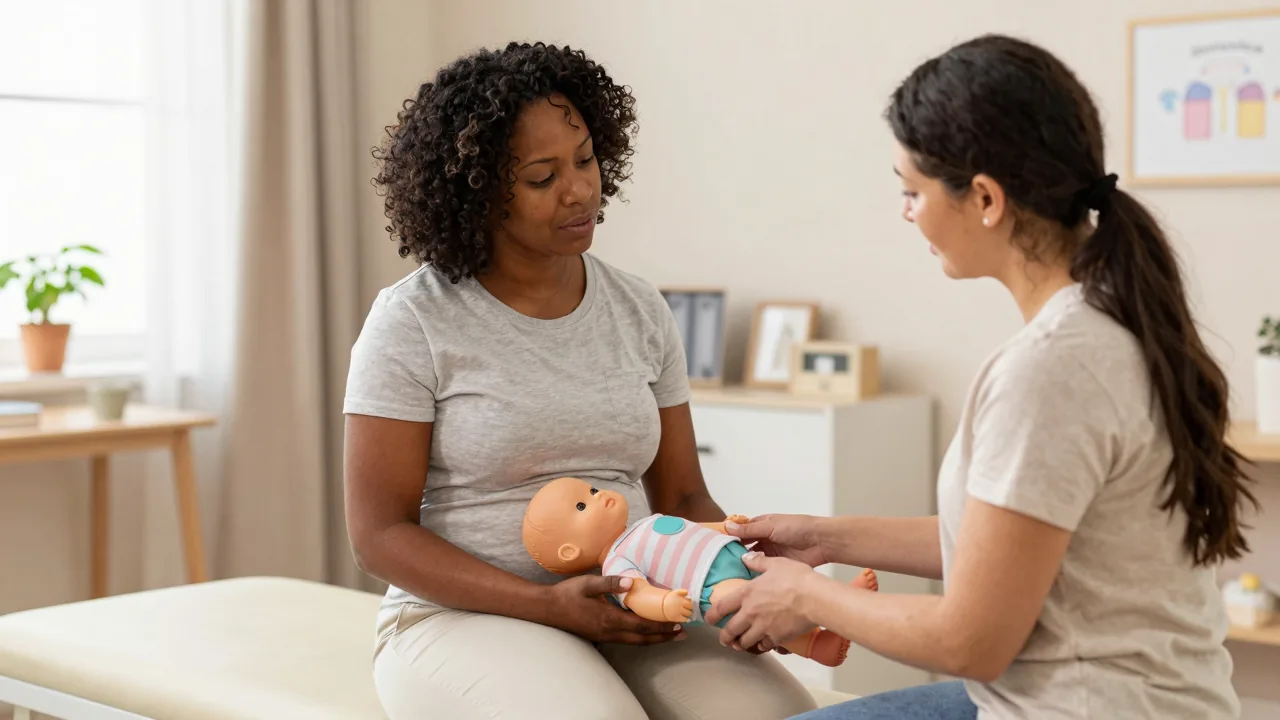
How to Establish a Comfortable Nursing Routine
Breastfeeding is a beautiful journey, but it’s normal to face challenges—especially when establishing your nursing routine. As a Boston doula, I’ve helped countless new moms find their rhythm in this bustling city where life moves fast (but feeding time should move at your pace). Here’s how to create a comfortable, sustainable routine that works for you and your baby.
“Remember, there’s no one-size-fits-all approach. Your body, your baby, and your environment are unique—so trust your instincts and adapt as needed.”
Finding the Right Positions for Pain-Free Feeding
Ergonomics matter! A well-supported hold reduces back strain (especially if you’re recovering from a Boston winter’s heavy snow shoveling!) and helps your baby latch deeply. Try these positions:
- Cradle Hold: Classic but effective—support your baby’s head with your hand while their body rests on a pillow.
- Football Hold: Great for C-sections or small-breasted moms; tuck your baby under your arm like a football (no pressure, literally!).
- Side-Lying: Perfect for overnight feeds. Lie on your side and snuggle your baby close—ideal for cozy Boston apartment living!
Takeaway: Experiment to find what feels natural. Adjust pillows or use nursing stools (a game-changer!) to avoid hunching.
Recognizing Hunger Cues in Newborns
Newborns communicate hunger before they cry, and responding early means smoother feeds. Watch for:
- Root reflex (turning head with open mouth).
- Lip smacking or sucking on hands.
- Fidgeting or stirring from sleep.
Takeaway: Feed your baby at the first sign of hunger—the calmer they are, the easier latching will be. And don’t forget: Boston’s postpartum support groups (like those at The Birth Center) are fantastic for troubleshooting!
By tuning into these cues and prioritizing comfort, you’ll build a nursing routine that feels empowering—not exhausting.
Breastfeeding Challenges & Solutions
Navigating breastfeeding isn’t always smooth sailing—especially in the early days—but knowing how to tackle common hurdles can make a big difference. Here’s how to handle two of the most frequent challenges new moms face in Boston.
Managing low milk supply with 2026’s best practices
Low milk supply is stressful, but it’s often manageable with the right support. In 2026, Boston lactation consultants recommend:
- Hydrate like a local – Sip on Boston-made herbal teas (like those from Tazo or Harney & Sons) to stay hydrated without excess caffeine.
- Power pump strategically – Use hands-on pumping techniques with hospital-grade pumps available through Boston Medical Center’s rental program. Aim for 10–15 minutes of additional stimulation per session.
- Prioritize skin-to-skin – Keep your baby close, even between feedings, to boost oxytocin and encourage milk production.
Takeaway: If supply dips, focus on frequency (every 2–3 hours) and full drainage—supplement with donor milk from trusted Boston banks if needed.
Addressing common latch issues effectively
A painful latch can derail confidence fast. Try these Boston-doula-approved fixes:
- Check the angle – Tilt your baby’s body slightly upward so their nose touches your breast first.
- Support with a pillow – Use a nursing pillow (like the Boppy) to bring your baby to breast level, reducing neck strain for both of you.
- Flip the lip – Gently stroke your baby’s upper lip before latching—they’ll instinctively open wider.
Takeaway: If latch pain persists after 2–3 days, seek help from a Boston-based IBCLC (International Board Certified Lactation Consultant) or your postpartum doula.
Pro tip: Many Boston hospitals offer free postpartum lactation support—ask about follow-up visits before discharge!
Nutrition & Hydration for Breastfeeding Moms
As a Boston doula, I know how important it is to fuel your body right while breastfeeding—especially with the demands of city life and new motherhood! Proper nutrition and hydration not only support milk production but also help maintain your energy levels during those early days (and beyond).
Superfoods that Support Milk Production
In 2026, we’re lucky to have more research-backed insights into which foods best support breastfeeding moms. Here are my top picks for boosting milk supply and keeping you nourished:
- Oats & whole grains: Oatmeal is a classic for lactation support—try Boston-based Flour Bakery’s overnight oats for an easy, on-the-go option.
- Fatty fish (salmon): Rich in omega-3s, which are great for your baby’s brain development. Look for fresh catches at Boston’s Seaport Market.
- Leafy greens: Spinach and kale are packed with iron and vitamins—perfect for salads or smoothies from local spots like The Green Bean.
- Nuts & seeds: Almonds, chia, and flaxseeds are powerhouses for healthy fats. Grab a handful at Whole Foods in Harvard Square.
- Lentils & beans: High in protein and fiber, these keep you full and energized—great for quick meals from Boston’s best Mediterranean spots.
Hydration Hacks to Keep Energy Levels Up
Staying hydrated is key when you’re nursing, but between feedings and diaper changes, it’s easy to forget. Here’s how to sip smart:
- Keep water within reach: Place a reusable bottle (like S’well or Hydro Flask) next to your nursing chair or glider.
- Infuse with flavor: Add fresh local berries or cucumber slices for a refreshing twist—great for summer months in Boston.
- Herbal teas: Try lactation-supporting blends like fenugreek or fennel from Harney & Sons, available at many Boston cafés.
- Eat hydrating foods: Cucumbers, watermelon, and celery are all water-rich snacks perfect for warm days.
- Track your intake: Aim for 10–12 cups of fluids daily. Use an app like Waterllama to remind you.
By focusing on these simple but effective strategies, you’ll feel stronger, more energized, and ready to tackle the beautiful chaos of new motherhood in Boston!
When to Seek Professional Help
Breastfeeding is a beautiful journey, but it’s not always smooth sailing—especially for first-time moms. Knowing when to call in the experts can make all the difference between frustration and success.
Signs that Indicate a Lactation Consultant Visit Is Needed
If you’re experiencing persistent pain, latching issues, or concerns about milk supply, don’t wait it out. A certified lactation consultant (CLC) or International Board Certified Lactation Consultant (IBCLC) can provide personalized solutions.
“Early intervention from a qualified professional can prevent small challenges from becoming bigger hurdles,” says a Boston-based doula. “Your comfort and your baby’s health are the top priorities.”
Look for these red flags:
- Painful feedings that don’t improve after a few days.
- Baby not gaining weight as expected (your pediatrician can help track this).
- Recurring engorgement or plugged ducts, which may signal an underlying issue.
Where to Find Trusted Doula Services in Boston
Boston is home to many compassionate doulas and lactation consultants who specialize in breastfeeding support. Here are a few top-rated resources:
- Boston Breastfeeding Center: Offers IBCLC consultations and classes.
- The Mama Coach: Provides in-home doula and lactation support.
- Commonwealth Doula: A local network of certified professionals.
Don’t hesitate to reach out—whether it’s for a single session or ongoing support, these experts are here to help you thrive.
Wrapping Up: Your Breastfeeding Journey Starts Here
Breastfeeding is a beautiful, natural process, but like any new skill, it takes time and practice. Remember, every mom-baby duo is unique, and what works for one may not work for another. Stay patient with yourself, trust your instincts, and don’t hesitate to reach out for support when you need it.
You’re doing an amazing job, even on the tough days. Whether you’re just starting or looking to refine your technique, know that you’re not alone in this journey. Boston’s doula community is here to cheer you on every step of the way—let’s make your breastfeeding experience as smooth and joyful as possible!